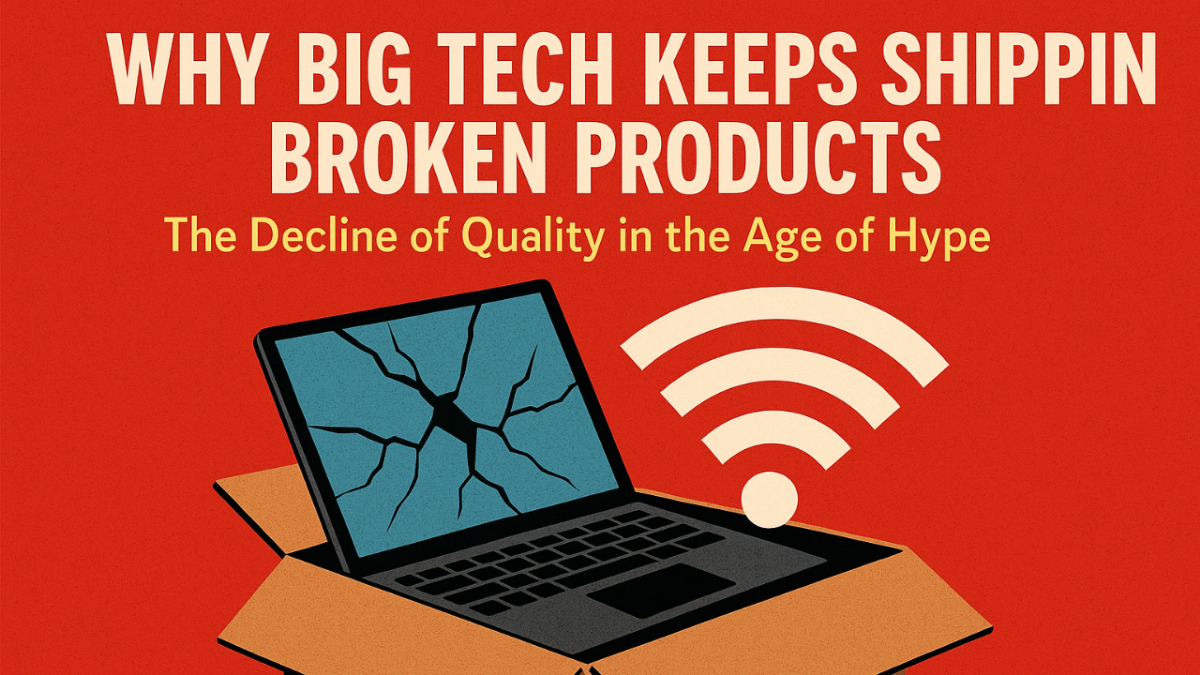
Buying a tech product used to mean ownership. In 2026, it often means temporary permission. The tech product downgrade trend is spreading across apps, devices, and subscriptions, where features quietly disappear after updates—sometimes months after customers paid.
Users aren’t imagining it. Products are being “optimized,” “streamlined,” or “rebalanced,” which usually translates to fewer features, tighter limits, or new paywalls. The frustration isn’t just about loss—it’s about trust.
What the Tech Product Downgrade Trend Looks Like in Reality
Downgrades rarely come with clear announcements.
Common patterns include:
• Features moved to higher tiers
• Limits added where none existed
• Tools renamed as “beta” and removed
• Previously free options paywalled
This slow erosion defines the tech product downgrade trend.
Why Subscription Models Enable Silent Downgrades
 Subscriptions shifted power from users to companies.
Why downgrades are easier now:
• No ownership, only access
• Terms allow “feature changes”
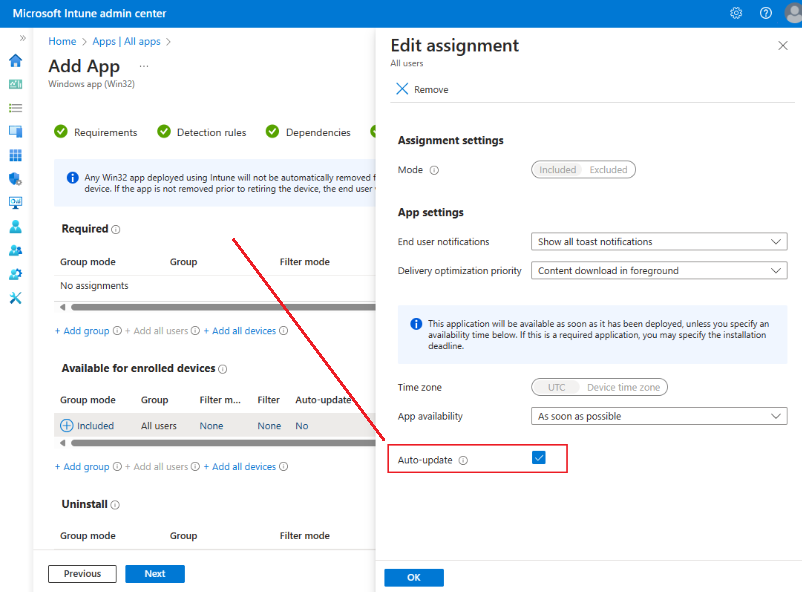
• Updates are automatic
• Churn risk is delayed
When users can’t freeze a version, the tech product downgrade trend accelerates.
The Language Companies Use to Mask Downgrades
Downgrades are rarely called downgrades.
Common euphemisms:
• “We’re simplifying the experience”
• “We’re focusing on core features”
• “This helps us serve you better”
• “We’re sunsetting underused tools”
The result is the same: users lose value after paying.
Why Users Feel Cheated—Not Just Annoyed
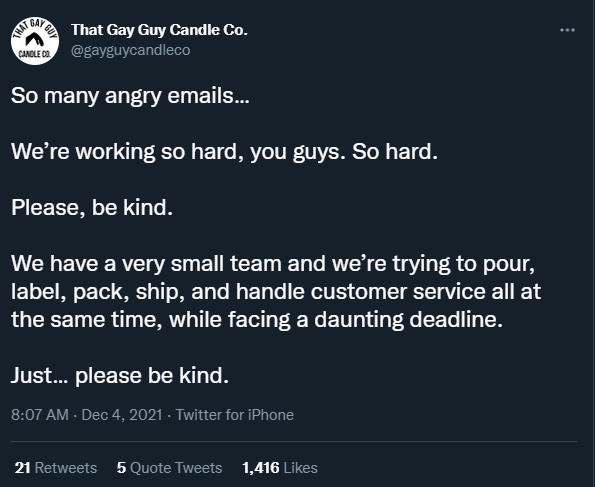
This isn’t normal product evolution—it’s retroactive loss.
Why anger runs deep:
• Purchase decisions were based on features
• Downgrades weren’t optional
• Refunds aren’t offered
• Alternatives require switching costs
The tech product downgrade trend breaks the implied contract with users.
How Hardware Isn’t Immune Either
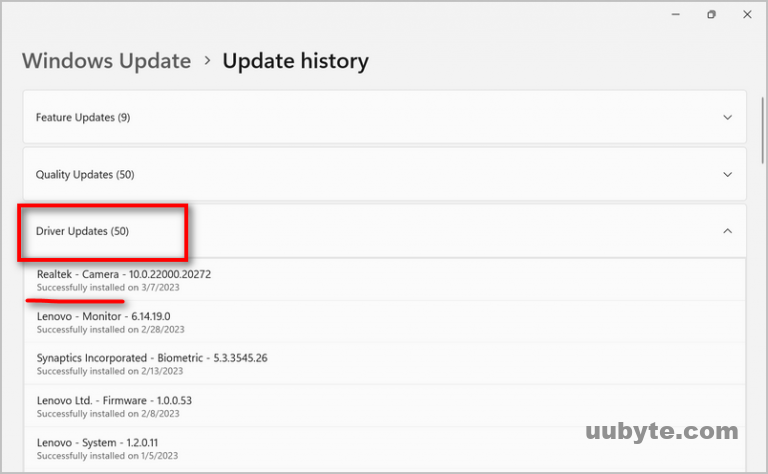
Even physical products are affected.
Examples include:
• Features locked behind subscriptions
• Software updates reducing performance
• Accessories required for basic functions
• Cloud dependency increasing
Hardware now behaves like software—with the same downgrade risks.
Why Companies Take This Risk Anyway
 The incentive structure encourages it.
Pressures driving the tech product downgrade trend:
• Slowing user growth
• Investor focus on margins
• Rising infrastructure costs
• Need to upsell existing users
Downgrading quietly is cheaper than acquiring new customers.
How Users Are Fighting Back
Users aren’t powerless—but resistance is growing.
Responses include:
• Canceling subscriptions faster
• Leaving public negative reviews
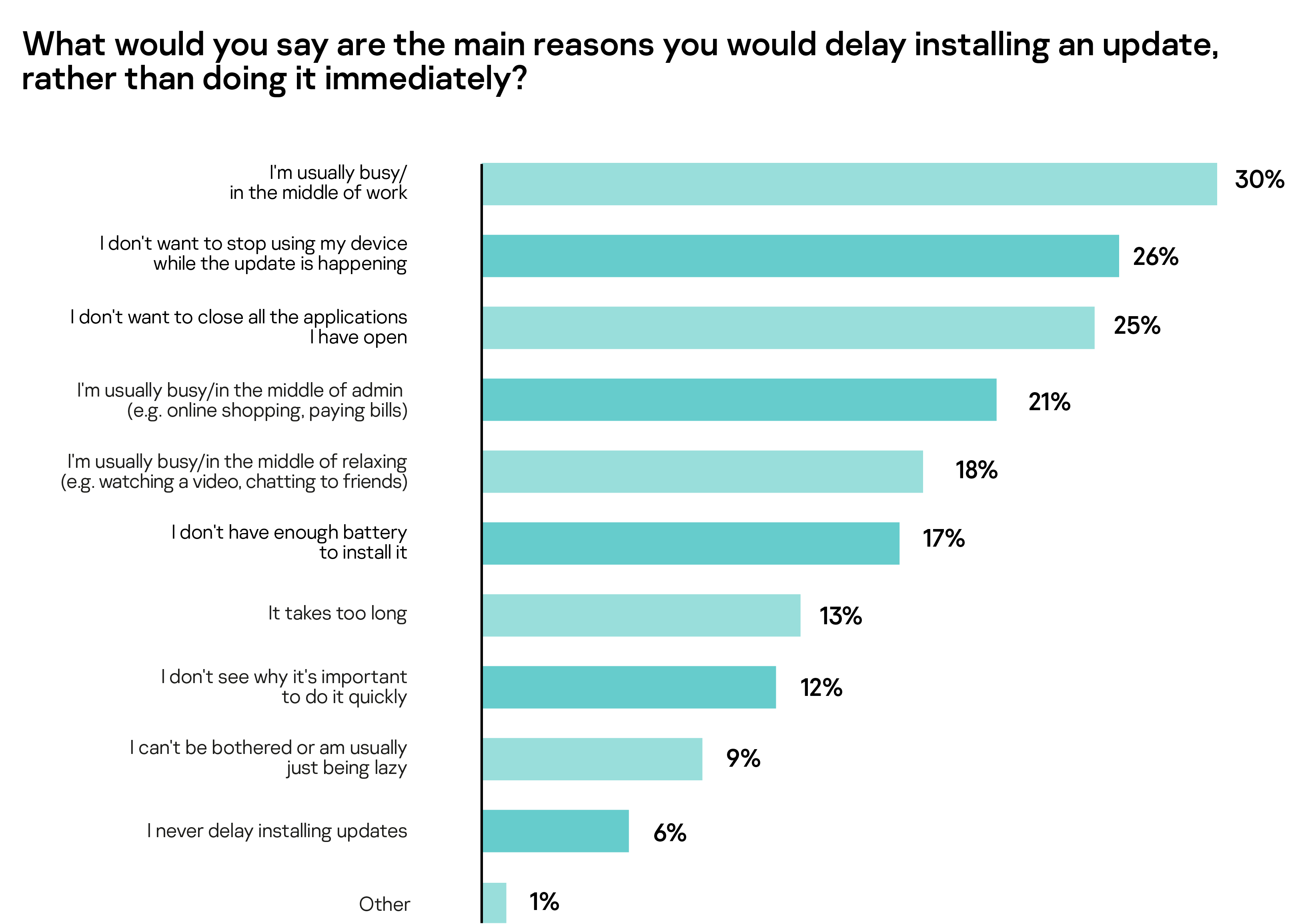
• Avoiding auto-updates
• Choosing open-source or one-time purchase tools
Trust loss spreads faster than feature removals.
Why This Trend Is Dangerous Long-Term
Short-term gains come with long-term costs.
Consequences include:
• Reduced brand loyalty
• Higher churn sensitivity
• Skepticism toward new features
• Users delaying upgrades
The tech product downgrade trend trains customers to expect disappointment.
What Ethical Product Evolution Actually Looks Like
Not all companies downgrade silently.
Better practices include:
• Clear advance notice
• Optional feature removal
• Legacy access for existing users
• Honest communication
Trust scales better than tricks.
How Consumers Can Protect Themselves
Practical defenses help.
Smart habits:
• Read changelogs carefully
• Avoid lifetime dependence on one tool
• Prefer ownership where possible
• Track subscription value regularly
Awareness reduces the sting of the tech product downgrade trend.
Conclusion
The tech product downgrade trend reflects a shift in how companies view customers—not as owners, but as ongoing revenue streams. When features disappear after purchase, trust disappears with them.
In 2026, the best tech companies won’t be the ones adding the most features—but the ones that respect the deal users thought they made.
FAQs
What is the tech product downgrade trend?
The practice of removing or limiting features after users have already paid.
Why do companies downgrade products post-purchase?
To reduce costs or push users into higher-priced plans.
Is this legal?
Often yes, due to broad subscription terms—but it damages trust.
Are hardware products affected too?
Yes, through software updates and subscription locks.
How can users avoid downgrade risks?
By choosing transparent companies and diversifying tools.
Click here to know more.