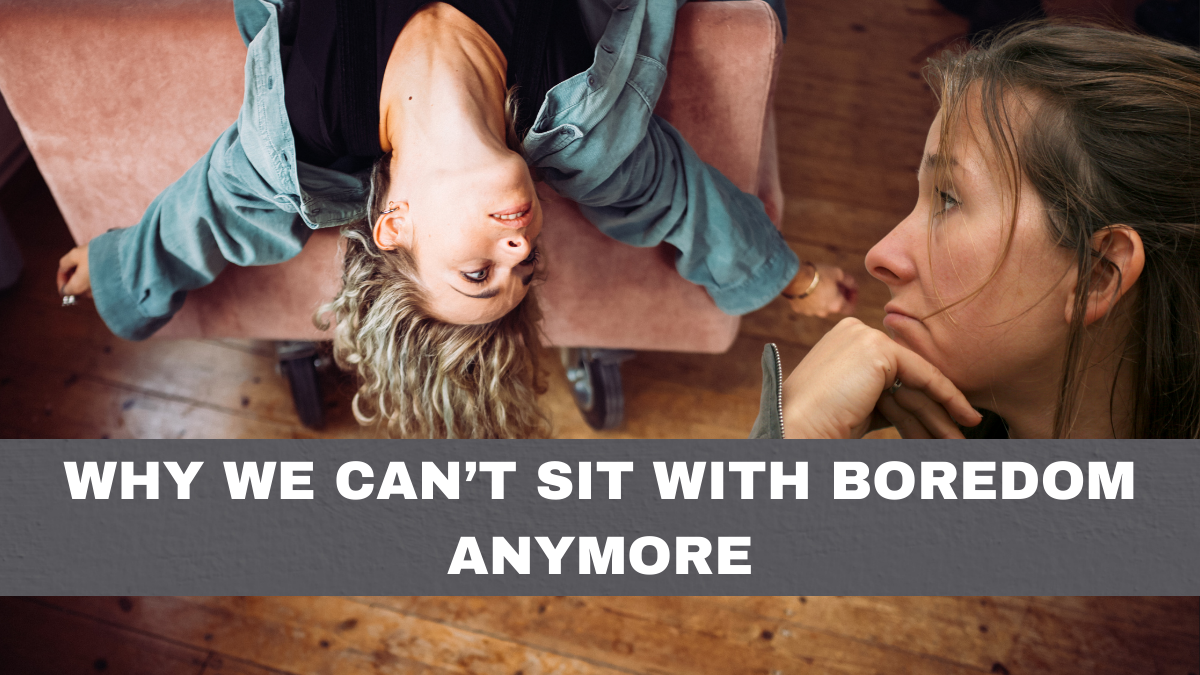
There was a time when boredom was ordinary. It arrived, lingered, and passed without panic. Today, even a few seconds of nothingness feel uncomfortable. People instinctively reach for screens, notifications, or noise. This discomfort isn’t accidental. Modern boredom has changed because the environment around it has changed. What once felt neutral now feels intolerable.
Boredom hasn’t disappeared—but our tolerance for it has. Stimulation overload has trained the brain to expect constant input, making silence and emptiness feel like problems that need fixing.
What Boredom Used to Do for the Brain
Boredom wasn’t wasted time. It served a psychological purpose.
Historically, boredom:
• Created mental rest
• Encouraged curiosity
• Triggered creativity
• Allowed emotional processing
When the brain wasn’t occupied, it reorganized itself. Ideas surfaced. Emotions settled. Attention reset.
Why Boredom Now Feels Uncomfortable
Modern boredom triggers anxiety because it contrasts sharply with constant stimulation.
It feels uncomfortable because:
• The brain expects novelty
• Silence feels unfamiliar
• Attention lacks an anchor
Stimulation overload rewired expectations, not capacity.
The Role of Constant Stimulation
Phones, apps, and content platforms eliminate boredom instantly.
They provide:
• Endless novelty
• Immediate distraction
• Emotional spikes
As a result, boredom rarely lasts long enough to do its job.
Why the Brain Resists Stillness
The brain adapts to its environment. In high-stimulation settings, it becomes restless when input drops.
This leads to:
• Urge to check devices
• Difficulty sitting quietly
• Mental agitation
Modern boredom feels wrong because the brain has learned to expect constant engagement.
Boredom vs. Understimulation Anxiety
What many people call boredom is actually discomfort from withdrawal.
Similar to other habits:
• Reduced stimulation feels unsettling
• The mind seeks relief
• Distraction becomes automatic
This isn’t a flaw—it’s conditioning.
Why Creativity Suffers Without Boredom
Creativity needs space. Ideas require idle time to connect.
Without boredom:
• Thoughts stay reactive
• Ideas remain shallow
• Insight rarely forms
Stimulation overload crowds out the mental gaps creativity depends on.
The Disappearance of Idle Moments
Idle moments used to exist everywhere.
They’ve been replaced by:
• Scrolling while waiting
• Listening to something constantly
• Filling silence automatically
Modern boredom rarely gets a chance to appear naturally.
Why Silence Feels Awkward Now
Silence used to be neutral. Now it feels exposed.
Silence triggers:
• Self-awareness
• Emotional reflection
• Unfiltered thoughts
Avoiding boredom often means avoiding these experiences too.
How Boredom Supports Emotional Regulation
Boredom allows emotions to surface and resolve.
When avoided:
• Emotions stay unresolved
• Stress accumulates quietly
• Mental noise increases
Modern boredom avoidance contributes to chronic mental fatigue.
The Link Between Boredom and Attention Span
Attention needs rest to remain flexible.
Without boredom:
• Focus becomes brittle
• Attention fragments faster
• Restlessness increases
Boredom acts as recovery for attention—not a threat to it.
Why People Fear Being Alone With Their Thoughts
Being alone with thoughts can feel confronting.
This fear comes from:
• Unprocessed emotions
• Constant distraction habits
• Lack of practice
Modern boredom exposes internal noise that distraction keeps hidden.
Relearning How to Sit With Boredom
Tolerance for boredom is a skill—and skills can be rebuilt.
Helpful practices include:
• Allowing device-free waiting
• Sitting quietly without filling time
• Letting thoughts wander
• Resisting immediate distraction
Boredom becomes easier with exposure.
Using Boredom as a Tool
Boredom doesn’t need to be eliminated—it needs to be used.
When allowed:
• Creativity increases
• Emotional clarity improves
• Mental fatigue reduces
Modern boredom can become a resource again.
Conclusion
Modern boredom isn’t more painful because boredom changed—it’s more painful because constant stimulation changed us. Stimulation overload trained the brain to resist stillness, making boredom feel uncomfortable instead of restorative.
Learning to sit with boredom isn’t about rejecting technology. It’s about restoring balance. In a world that never stops talking, boredom offers something rare: space. And space is where clarity begins.
FAQs
Why does boredom feel uncomfortable now?
Because constant stimulation trained the brain to expect continuous input.
Is boredom bad for mental health?
No. Healthy boredom supports creativity, emotional processing, and attention recovery.
How does stimulation overload affect boredom?
It reduces tolerance for stillness, making boredom feel distressing.
Can boredom improve creativity?
Yes. Idle mental space allows ideas to form and connect.
How can I rebuild tolerance for boredom?
By gradually reducing stimulation and allowing quiet moments without distraction.
Click here to know more.