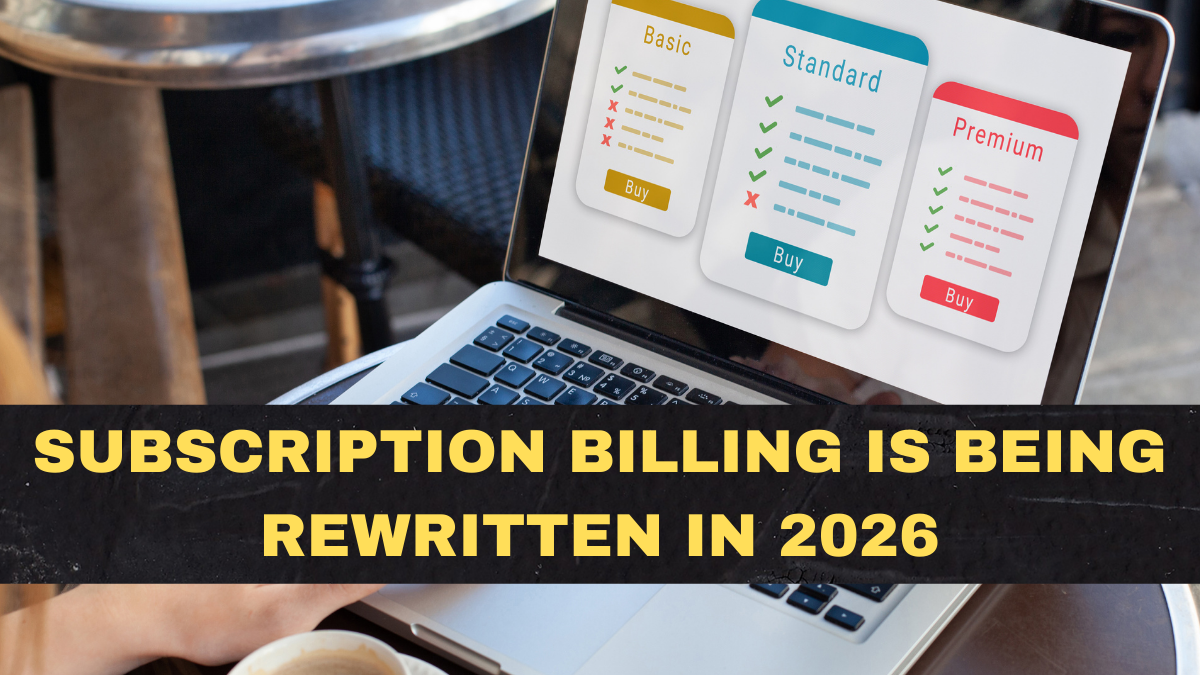
Subscription billing redesign is no longer an experiment. In 2026, it is a survival strategy. For the past decade, subscriptions dominated digital business models. Music, video, fitness, news, software, cloud tools, productivity apps, even toothbrushes — everything became monthly.
At first, consumers loved it.
Then fatigue hit.
People now juggle dozens of subscriptions, struggle to track charges, resent unused plans, and distrust companies that make cancellation painful. Resistance is growing fast, and churn is rising across industries.
In response, companies are being forced to rethink how billing works — not just how much they charge, but how control is shared with users.
The subscription era is not ending.
But its design is being completely rewritten.

Why the Traditional Subscription Model Is Breaking
The classic model is simple:
• Flat monthly fee
• Automatic renewal
• Long-term lock-in
• Limited control
This worked when users had:
• Few subscriptions
• High perceived value
• Low budget pressure
In 2026, the reality is different:
• 10–20 subscriptions per household
• Rising living costs
• Subscription overlap
• Underused services
• Budget tracking fatigue
Consumers now feel:
• Trapped by recurring charges
• Overcharged for unused access
• Frustrated by cancellation friction
• Manipulated by free trials
That frustration is forcing structural change.
What Subscription Billing Redesign Actually Means
Subscription billing redesign is not about price cuts.
It is about control, flexibility, and fairness.
Modern billing models now include:
• Usage-based pricing
• Pause and resume options
• Tiered consumption plans
• Metered billing
• Hybrid subscription + pay-as-you-go
• Easy cancellation flows
Instead of “pay regardless of use,” systems now align cost with value.
Billing becomes adaptive — not rigid.
Why Usage-Based Pricing Is Exploding
Usage-based pricing is the fastest-growing billing model in 2026.
Instead of paying for access, users pay for:
• Minutes used
• Transactions processed
• Storage consumed
• Messages sent
• Queries run
• Features activated
Benefits include:
• Fairer pricing perception
• Lower entry barriers
• Better cost transparency
• Stronger value alignment
• Reduced churn
For companies:
• Revenue scales with usage
• High-value users pay more
• Low-usage users stay longer
• Expansion revenue increases naturally
This model dominates in:
• SaaS
• AI tools
• Cloud services
• Fintech
• APIs
• Data platforms
It replaces flat subscriptions with elastic revenue.
How Flexible Billing Is Becoming a Competitive Advantage
Flexibility is now a core product feature.
Leading platforms now offer:
• Monthly and annual switching
• Pause instead of cancel
• Temporary downgrades
• Usage caps
• Spend alerts
• Budget limits
Instead of locking users in, companies now:
• Help them manage cost
• Encourage trust
• Reduce resentment
• Increase lifetime value
Ironically, easier cancellation often leads to:
• Higher retention
• Longer relationships
• Better brand reputation
Control builds loyalty more than lock-in ever did.
Why Cancel-Friendly Design Is Now Mandatory
Cancellation friction has become a regulatory and reputational risk.
Old tactics included:
• Hidden cancel buttons
• Mandatory phone calls
• Long retention scripts
• Confusing downgrade paths
• Delayed confirmations
In 2026, these are disappearing fast.
New standards include:
• One-click cancellation
• In-app termination
• Instant confirmation
• No retention traps
• Clear final billing dates
Platforms that resist:
• Face regulatory penalties
• Trigger social backlash
• Increase chargebacks
• Damage trust permanently
Cancel-friendly design is now part of ethical product strategy.
How Hybrid Models Are Replacing Pure Subscriptions
Pure subscriptions are giving way to hybrid billing.
Common hybrids include:
• Base subscription + usage overage
• Freemium + paid consumption
• Subscription + transaction fees
• Bundles with add-ons
• Feature-based metering
This allows:
• Predictable baseline revenue
• Elastic upside from heavy users
• Lower churn from light users
• Better price discrimination
Hybrid models now dominate in:
• AI platforms
• Developer tools
• Fintech APIs
• Streaming services
• Enterprise software
One-size pricing no longer works.
Why Transparency Is Becoming a Billing Requirement
Billing confusion is a top driver of churn.
Redesigned systems now show:
• Real-time usage dashboards
• Cost projections
• Spend breakdowns
• Feature-level pricing
• Upcoming charges
• Overage alerts
Users can now:
• Track consumption live
• Set spending caps
• Predict next invoice
• Avoid surprises
• Control upgrades
Transparency transforms billing from anxiety into predictable budgeting.
How This Changes Revenue Strategy
Billing redesign reshapes revenue planning.
Instead of focusing on:
• Monthly active subscribers
• Churn rates alone
• ARPU only
Companies now track:
• Net revenue retention
• Expansion revenue
• Usage growth
• Feature adoption
• Cost-to-serve ratios
Revenue becomes:
• More variable
• More usage-linked
• More scalable
• More resilient
This also improves forecasting accuracy — once models mature.
Why This Shift Is Accelerating Across Industries
Subscription fatigue is universal.
Industries being forced to redesign billing include:
• Streaming and media
• Fitness and wellness
• Education platforms
• SaaS and enterprise tools
• Gaming and content
• AI and automation
Drivers include:
• Consumer budget pressure
• Regulatory scrutiny
• Competitive differentiation
• Churn economics
• Trust rebuilding
The companies that adapt fastest win loyalty.
The ones that resist lose relevance.
The New Risks of Flexible Billing Models
Redesign brings complexity.
Challenges include:
• Revenue volatility
• Forecasting difficulty
• Pricing confusion
• Overuse risk
• Margin unpredictability
That is why modern systems require:
• Sophisticated metering
• Real-time analytics
• Usage prediction models
• Dynamic pricing engines
• Strong customer education
Flexibility without clarity creates chaos.
What Subscription Billing Looks Like in 2026
The winning model in 2026 looks like this:
• Low entry cost
• Usage-aligned pricing
• Transparent billing
• Easy cancellation
• Pause and downgrade options
• Hybrid monetization
• Budget controls
Subscriptions become:
• Service relationships
• Not financial traps
• Not forgotten charges
• Not permanent commitments
Billing becomes part of product experience, not just finance.
Conclusion
Subscription billing redesign marks the end of rigid, opaque, and manipulative pricing models. In 2026, users demand fairness, flexibility, and control — and companies that deliver it see stronger retention, higher trust, and better lifetime value.
The future of subscriptions is not about locking users in.
It is about earning their continued choice every month.
Because in a world of endless services,
the best business model is not commitment.
It is permission.
FAQs
What is subscription billing redesign?
It refers to shifting from rigid monthly plans to flexible, usage-based, and user-controlled billing models.
Why is usage-based pricing growing?
Because it aligns cost with actual value, reduces churn, and feels fairer to customers.
Are subscriptions disappearing in 2026?
No. They are evolving into hybrid and flexible models rather than fixed flat-fee plans.
Why is easy cancellation important?
It builds trust, reduces backlash, and improves long-term retention by removing resentment.
Which industries are changing billing fastest?
SaaS, AI platforms, streaming services, fintech, and developer tools lead the redesign.
Click here to know more.