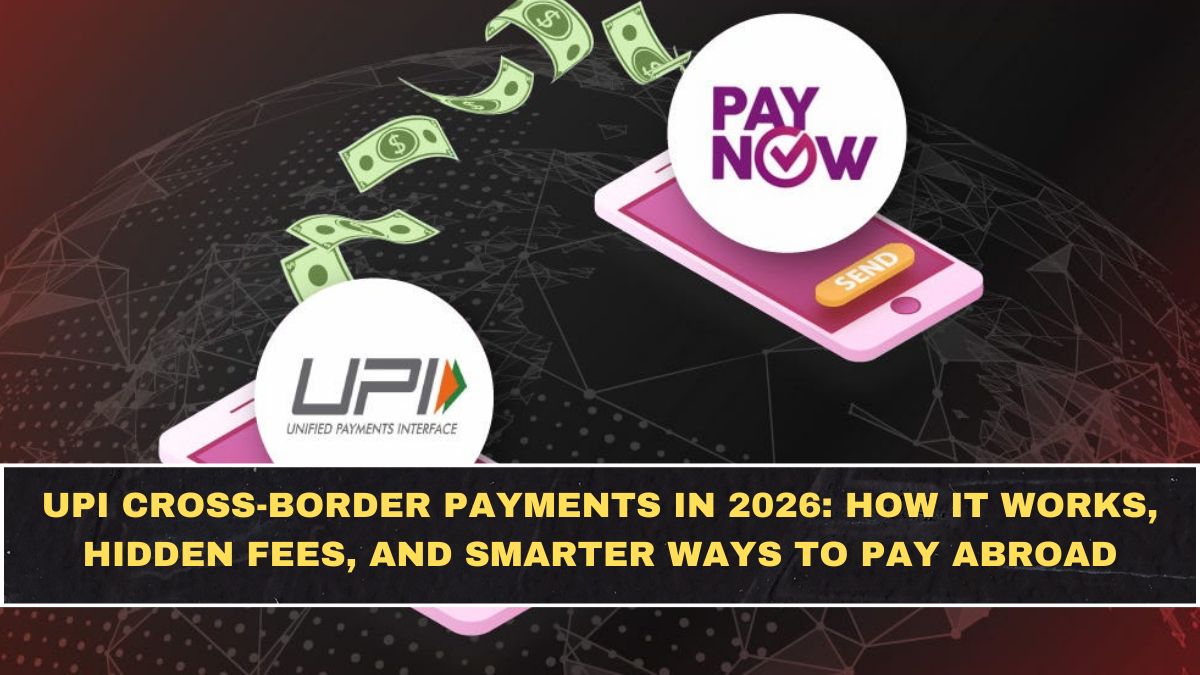
UPI cross-border payments in 2026 feel like a long-awaited convenience finally becoming practical for everyday users. What started as a domestic payment system has expanded outward, changing how Indians pay while traveling, studying, freelancing, or sending money abroad. The promise is simple: familiar UPI-style payments without the complexity of traditional international transfers.
The reality, however, is layered. While UPI-linked cross-border flows are easier than before, they still involve intermediaries, currency conversion, and rules that most users do not see upfront. Understanding how these payments actually work, where hidden costs appear, and how to pay smarter in 2026 makes a real difference to final amounts and peace of mind.
How UPI Cross-Border Payments Actually Work
UPI cross-border payments do not magically bypass international banking systems. Instead, they connect UPI to partner networks or foreign payment rails through regulated channels. When a user pays abroad using UPI, the transaction is routed through a conversion and settlement layer before reaching the foreign merchant.
Behind the scenes, currency conversion happens either at the bank level or through a payment partner. Settlement timelines are faster than traditional wire transfers, but not instant in all cases. The user experience feels simple, but the infrastructure remains complex.
In 2026, the success of UPI cross-border payments lies in abstraction. Complexity is hidden, but it still affects cost and speed.
Where UPI Cross-Border Is Most Commonly Used
UPI cross-border payments are most commonly used in travel-related spending, small merchant payments, and person-to-person transfers in select regions. Tourists appreciate paying directly from their UPI-linked accounts without carrying cards or cash.
Freelancers and students also benefit from simplified inbound and outbound transfers where supported. Smaller transaction sizes see the most adoption because fees and limits are more predictable.
In 2026, UPI cross-border works best for everyday spending rather than large-value international transfers.
The Hidden Fees Most Users Don’t Notice
One of the biggest misconceptions is that UPI cross-border payments are “free.” While there may be no explicit transaction fee shown, currency conversion often includes a margin.
Exchange rates offered during conversion may differ slightly from market rates. This difference becomes noticeable over repeated transactions or larger amounts.
In some cases, intermediary fees are bundled invisibly into the final amount. Users only notice when comparing totals later. In 2026, transparency has improved, but it is not perfect.
Why Exchange Rates Matter More Than Fees
A small difference in exchange rate can cost more than a visible fee. Many users focus on “zero-fee” claims without checking the applied rate.
UPI cross-border payments sometimes prioritize convenience over rate optimization. This is acceptable for small amounts, but it adds up for frequent users.
In 2026, the smartest users compare rates across methods rather than relying on marketing claims alone.
Limits, Caps, and Compliance Rules to Know
Cross-border UPI transactions are subject to regulatory limits. Daily, monthly, and per-transaction caps may apply depending on purpose and destination.
Compliance checks can also trigger delays. Certain transactions require additional verification or documentation, especially for remittances.
Understanding these boundaries avoids confusion when transactions fail unexpectedly. In 2026, most issues arise from limits, not technical errors.
When UPI Cross-Border Is the Best Option
UPI cross-border is ideal when convenience matters more than optimization. Paying for meals, transport, or small services abroad fits this model well.
It also works well for users who prefer avoiding cards due to foreign transaction fees or acceptance issues.
In 2026, UPI shines when speed, familiarity, and simplicity outweigh the need for perfect exchange rates.
When Other Payment Methods Make More Sense
For larger transfers, traditional remittance services or bank transfers may offer better rates despite slower processing.
Credit cards with favorable forex policies may also outperform UPI in certain scenarios, especially where reward points or protections apply.
Smart payment behavior in 2026 involves choosing the right tool for the right transaction, not sticking to one method blindly.
Security and Dispute Handling in Cross-Border UPI
Security remains a priority, but dispute resolution is more complex across borders. Chargebacks and reversals depend on partner systems and jurisdiction.
Users should verify merchant details carefully before confirming payments. Mistakes are harder to correct once funds cross borders.
In 2026, trust and verification matter more than speed when paying internationally.
How to Pay Smarter Using UPI Abroad
Pay attention to conversion prompts and final amounts before approving. Small checks prevent repeated losses.
Keep alternative payment options ready. Flexibility reduces stress when UPI is unavailable or suboptimal.
Track spending periodically to understand real costs rather than assuming savings.
What the Expansion Means for Everyday Users
UPI cross-border payments represent progress toward simpler global payments. They reduce friction and lower entry barriers for international transactions.
However, users must move beyond blind trust. Awareness of rates, limits, and trade-offs leads to better outcomes.
In 2026, financial literacy matters as much as payment innovation.
Conclusion: Convenience Wins, Awareness Saves Money
UPI cross-border payments in 2026 deliver genuine convenience and familiarity for global spending. They simplify everyday payments and reduce reliance on cash or cards.
The trade-off lies in hidden costs and limits that are easy to overlook. Users who understand how the system works avoid surprises and make smarter choices.
UPI has gone global, but smart usage still requires attention. Convenience is powerful, but awareness is what keeps it affordable.
FAQs
Can I use UPI for international payments in 2026?
Yes, UPI supports cross-border payments in select regions through partner networks.
Are UPI cross-border payments free?
Not always. While explicit fees may be absent, exchange rate margins often apply.
Is UPI cheaper than cards for international use?
It depends on exchange rates and card forex fees. Small transactions often favor UPI.
Are there limits on UPI cross-border payments?
Yes, regulatory caps apply on transaction size and frequency.
Is UPI safe for international payments?
Yes, but dispute resolution can be slower, so verification is important.
Click here to know more.