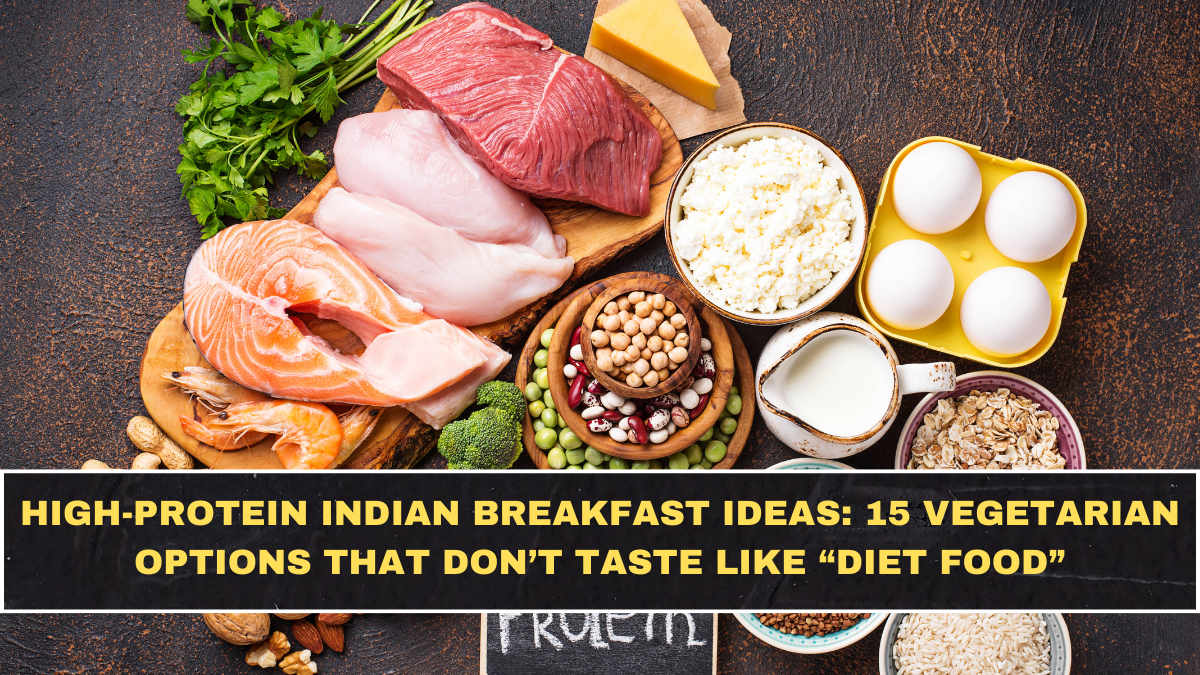
High-protein breakfasts have become a daily priority for many Indians in 2026, not because of fitness trends alone, but because people are noticing how breakfast quality affects energy, hunger, and focus through the day. A carb-heavy breakfast may feel comforting in the moment, but it often leads to mid-morning crashes and constant snacking. Protein changes that pattern by slowing digestion and keeping energy steady.
The biggest barrier is perception. Many people assume high-protein food means boiled, tasteless, or overly restrictive meals. In reality, Indian kitchens already have protein-rich ingredients that can be prepared in familiar, flavorful ways. The key is composition, not sacrifice. This guide focuses on vegetarian Indian breakfast ideas that deliver protein without feeling like diet food.

Why Protein at Breakfast Matters More Than You Think
Protein in the morning helps regulate appetite hormones, which reduces overeating later in the day. This is especially useful for people with long work hours or irregular lunch timings.
A protein-rich breakfast also supports muscle maintenance, even for non-gym-goers. Daily protein distribution matters more than a single high-protein meal.
In 2026, people are prioritizing breakfasts that keep them full until lunch without heaviness, and protein is central to that shift.
Traditional Indian Breakfasts That Are Naturally High in Protein
Many traditional breakfasts already contain protein but are often imbalanced. Dishes like idli, dosa, or poha become more protein-rich when paired correctly.
Adding sambar, curd, paneer fillings, or lentil-based sides increases protein without changing the dish’s identity. Even a simple chilla becomes powerful when made with mixed dals.
The idea is enhancement, not replacement. Familiar food becomes nutritionally stronger with small adjustments.
15 Vegetarian High-Protein Indian Breakfast Ideas
Besan chilla with vegetable stuffing delivers steady protein and fiber when cooked with minimal oil. Paneer bhurji paired with one roti or toast offers both satiety and flavor.
Moong dal cheela, tofu scramble with Indian spices, curd bowls with roasted chana, and sprouted moong salads are repeat-friendly options. Oats cooked with dal, peanuts, or seeds also perform well.
These breakfasts work because they are flexible. Ingredients can be swapped without breaking the protein structure.
Quick Protein Add-Ons That Upgrade Any Breakfast
Sometimes the base breakfast is fixed, especially in families. Simple add-ons can shift the balance.
A bowl of curd, a handful of roasted chana, peanut chutney, or a glass of spiced buttermilk increases protein intake quietly. Even adding extra dal to existing meals helps.
These additions require no new recipes, just smarter pairing.
Protein Without Digestive Discomfort
One mistake people make is increasing protein too fast. Sudden changes can cause bloating or heaviness, especially with legumes.
Cooking methods matter. Soaking dals properly, using digestive spices, and avoiding excessive frying improves tolerance.
Protein works best when digestion feels smooth, not forced.
High-Protein Breakfasts for Busy Mornings
Time pressure is real. High-protein breakfasts must be fast to survive weekday routines.
Overnight soaked chillas, pre-cooked dal mixes, paneer preps, and curd-based bowls reduce morning effort. Batch preparation once or twice a week makes consistency possible.
The goal is reducing friction, not increasing discipline.
Protein vs Portion Size: Getting the Balance Right
More protein does not mean oversized meals. Moderate portions with balanced macros work better than large, heavy breakfasts.
A protein-focused breakfast should leave you energized, not sluggish. Pairing protein with vegetables and moderate carbs achieves this balance.
Listening to hunger cues helps fine-tune portions naturally.
Why “Protein-Only” Breakfasts Often Fail
Protein-only meals without carbs or fiber often feel unsatisfying or lead to cravings. Indian diets thrive on balance, not extremes.
Combining protein with traditional grains and vegetables improves both taste and sustainability. Long-term habits matter more than short-term targets.
The best breakfasts feel normal, not restrictive.
Common Myths About Vegetarian Protein
Many believe vegetarian diets cannot provide enough protein. In reality, variety and planning make the difference.
Legumes, dairy, soy, and grains together cover amino acid needs effectively. No single food needs to carry the entire load.
Consistency beats perfection when it comes to nutrition.
Conclusion: Protein Should Feel Like Food, Not a Rule
High-protein Indian breakfasts in 2026 are about smart composition, not rigid dieting. When protein blends naturally into familiar meals, consistency becomes effortless.
The most successful breakfast habits are those people enjoy and repeat. Flavor, comfort, and digestion matter as much as numbers. Protein works best when it supports life, not when it feels like a task.
A good breakfast should set the tone for the day, not start a battle with food.
FAQs
How much protein should breakfast contain?
A balanced breakfast usually includes enough protein to keep you full until lunch, depending on body needs.
Can vegetarians get enough protein at breakfast?
Yes, with dals, paneer, curd, soy, and legumes used smartly.
Are protein powders necessary?
Not for most people. Whole foods usually provide sufficient protein.
Is a high-protein breakfast good for weight management?
Yes, it can reduce cravings and overeating later in the day.
What if I don’t have time to cook?
Prep-based options like curd bowls, roasted chana, or soaked dals work well.
Can kids eat high-protein breakfasts?
Yes, age-appropriate portions of traditional foods are safe and beneficial.