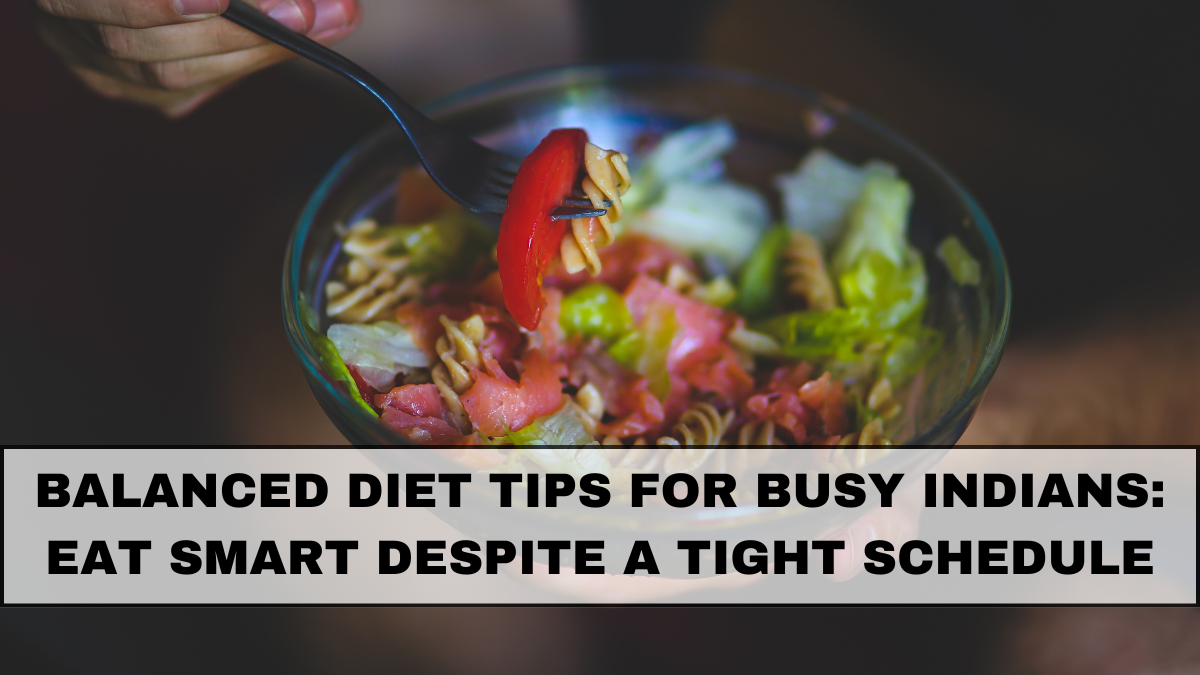
Maintaining a healthy and balanced diet can be challenging for busy Indian professionals juggling work, family, and social commitments. Long hours, tight deadlines, and irregular meal times often lead to skipped meals, unhealthy snacking, or reliance on fast food. However, a balanced Indian diet for busy professionals is achievable with smart planning, nutrient-focused meals, and quick recipes that support energy, productivity, and overall well-being.
This guide provides practical nutrition tips, meal planning strategies, and easy hacks for Indians aiming to eat healthily despite a packed schedule.

Key Principles of a Balanced Diet
A balanced diet is one that provides all essential nutrients, including carbohydrates, proteins, healthy fats, vitamins, and minerals. Core principles for busy professionals include:
-
Include protein: Eggs, dairy, pulses, legumes, and lean meats.
-
Complex carbohydrates: Whole grains like brown rice, oats, and millets for sustained energy.
-
Healthy fats: Nuts, seeds, olive oil, and ghee in moderation.
-
Fruits and vegetables: Seasonal produce for vitamins, minerals, and antioxidants.
-
Hydration: At least 2–3 liters of water daily to maintain energy and concentration.
Focusing on nutrient-dense foods ensures sustained energy levels and prevents mid-day fatigue.
Quick and Nutritious Meal Ideas
For professionals with limited time, quick meals can be both healthy and satisfying:
Breakfast:
-
Overnight oats with fruits, nuts, and a drizzle of honey.
-
Vegetable poha or upma with added peanuts for protein.
-
Smoothie bowls with spinach, banana, yogurt, and chia seeds.
Lunch:
-
Quinoa or brown rice bowls with legumes, vegetables, and lean protein.
-
Whole wheat wraps with hummus, paneer, and salad.
-
Leftover-friendly stir-fries with seasonal vegetables and tofu or chicken.
Snacks:
-
Roasted chickpeas, nuts, or trail mix.
-
Fruit slices with yogurt or nut butter.
-
Sprouts chaat or vegetable sticks with hummus.
Dinner:
-
Light soups with lentils and vegetables.
-
Grilled or sautéed protein with steamed vegetables.
-
Millet khichdi with ghee and seasonal greens.
Meal prepping in advance can save time and reduce the temptation of unhealthy options.
Smart Eating Hacks for Busy Professionals
Busy schedules require thoughtful strategies to maintain a balanced Indian diet for busy professionals:
-
Meal prep: Cook in batches on weekends and store portions for quick weekday consumption.
-
Healthy snacking: Keep nuts, seeds, fruits, and low-calorie snacks handy.
-
Avoid skipping meals: Eat at regular intervals to maintain metabolism and energy levels.
-
Hydrate consistently: Carry a water bottle and set reminders to drink water.
-
Mindful eating: Focus on meals without distractions to improve digestion and prevent overeating.
These small habits can make a significant difference in long-term health and productivity.
Nutritional Considerations for Indian Professionals
Indians face specific nutritional challenges due to dietary patterns and lifestyle:
-
High carbohydrate intake: Opt for whole grains and reduce refined flour products.
-
Low protein consumption: Incorporate legumes, dairy, eggs, or plant-based protein regularly.
-
Excessive sugar and processed food: Limit sugary beverages, packaged snacks, and fried foods.
-
Iron and vitamin D deficiencies: Include leafy greens, legumes, fortified foods, and sunlight exposure.
Addressing these considerations ensures a well-rounded and balanced diet suitable for professionals on-the-go.
Benefits of a Balanced Diet for Busy Professionals
Maintaining a nutritious diet provides numerous advantages:
-
Sustained energy throughout the workday.
-
Improved focus, memory, and productivity.
-
Reduced risk of lifestyle-related health issues like obesity, diabetes, and heart disease.
-
Better sleep and stress management.
-
Enhanced overall wellness and immunity.
Healthy eating is an investment in long-term personal and professional success.
FAQs
How can busy professionals eat healthy without spending too much time cooking?
Batch cooking, meal prepping, and quick recipes like oats, wraps, and salads can save time while maintaining nutrition.
What are the best snacks for Indian professionals on-the-go?
Roasted nuts, sprouts, fruits, yogurt, and hummus with vegetable sticks are ideal options for energy and satiety.
How important is hydration for professionals?
Hydration is crucial to maintain concentration, prevent fatigue, and support digestion. Aim for 2–3 liters of water daily.
Can office meals be made healthier?
Yes, choose whole grains, lean proteins, fresh vegetables, and avoid fried or overly processed foods. Carry homemade snacks if options are limited.
How to balance taste and nutrition in a busy Indian diet?
Use herbs, spices, and natural flavor enhancers. Incorporate seasonal produce and prepare simple, wholesome meals that are both tasty and healthy.
Click here to know more.