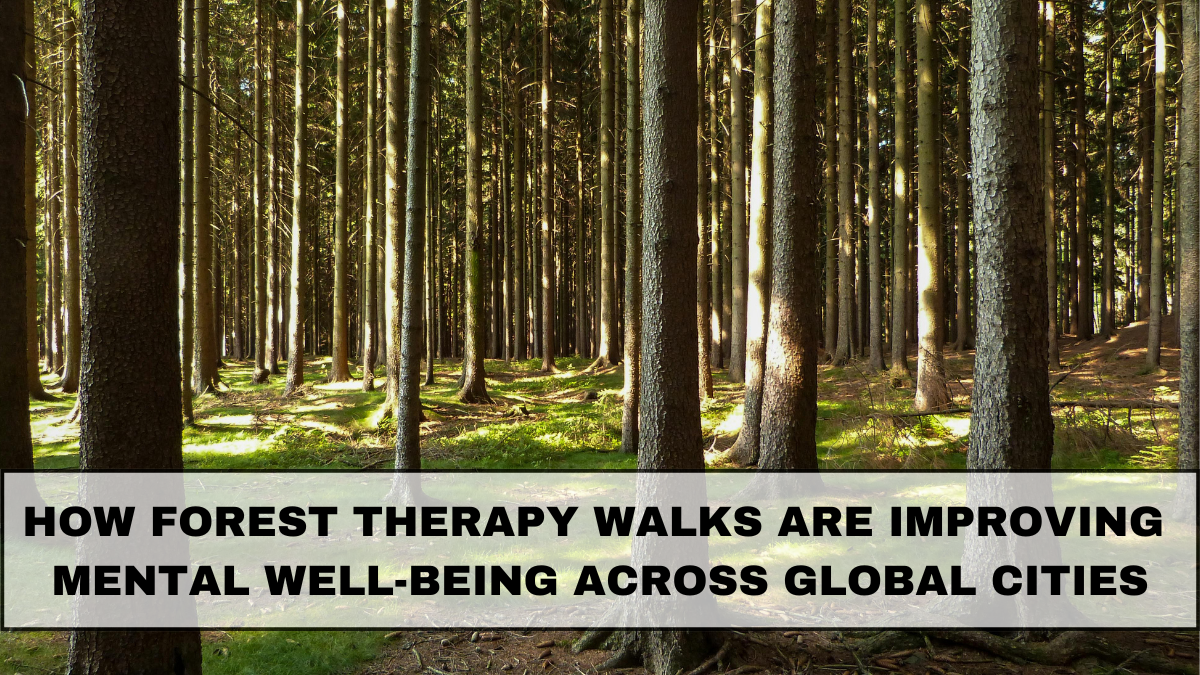
Forest therapy walks—also called shinrin-yoku or forest bathing—are becoming one of the most popular nature-based wellness trends across global cities. With urban stress, burnout and lifestyle anxiety rising, more people are turning toward immersive nature experiences to restore balance. The idea is simple yet powerful: spend intentional, unhurried time in a natural environment, focusing on slow walking, sensory awareness and mindful breathing. What makes forest therapy walks compelling today is the combination of scientific backing, accessibility and a growing yearning to disconnect from fast-paced surroundings.
In many major cities, wellness groups, psychologists, corporate teams and even schools are adopting forest therapy as a regular practice. This shift signals a deeper cultural move toward prioritising mental well-being through simple, sustainable habits rather than complicated lifestyle changes. As more research highlights the impact of nature on stress hormones, mood stability and cognitive clarity, forest therapy walks are becoming a practical tool for people of all age groups.
Why Forest Therapy Walks Are Becoming a Global Wellness Trend
Forest therapy walks are trending because they offer a rare sense of calm in a hyperconnected world. Unlike intense workouts or structured mindfulness sessions, forest therapy does not require training, tools or previous experience. Anyone can participate, making it extremely inclusive.
Several factors are driving its global popularity:
-
Increasing urban stress: People living in dense, high-pressure cities often experience burnout and emotional fatigue. A slow walk in nature offers immediate mental relief.
-
Scientific recognition: Multiple studies show that spending time in green spaces reduces cortisol levels, improves sleep quality and boosts mood.
-
Low-cost and accessible: Forest therapy walks require no equipment, subscription or specialised guidance.
-
A shift toward natural living: Many are embracing natural, eco-friendly practices that promote long-term well-being.
This trend is also part of a larger global movement where individuals prefer experiences that reconnect them with nature. As a result, forest therapy is gaining space in public health recommendations, corporate well-being programmes and lifestyle communities worldwide.
The Mental Health Benefits of Forest Therapy Walks
The core purpose of forest therapy walks is to improve mental well-being through mindful connection with natural surroundings. Participants typically report feeling relaxed, grounded and emotionally lighter after just one session. Key mental health benefits include:
Reduced Stress Levels
One of the strongest impacts of forest therapy walks is stress reduction. The quiet environment, fresh air and rhythmic walking help the body lower cortisol, the primary stress hormone. Studies have shown that even 20 minutes in a natural environment can significantly calm the nervous system.
Improved Focus and Mental Clarity
Urban environments often overload the brain with noise, traffic, devices and constant stimuli. Forest therapy allows the mind to reset, improving attention span and cognitive flexibility. Many professionals include such walks in their weekly routines to boost productivity and creativity.
Enhanced Emotional Stability
Nature offers a grounding effect that helps regulate emotions, making forest walks beneficial for people dealing with anxiety, mood imbalances or emotional overwhelm. Gentle movement combined with sensory awareness—touching leaves, listening to birds or feeling the breeze—creates a meditative state.
Stronger Social Connection
Many forest therapy walks are conducted in small groups, helping individuals connect with others in a calm, non-competitive setting. This social aspect strengthens feelings of belonging and reduces emotional isolation.
How Global Cities Are Incorporating Forest Therapy Walks
Large cities such as Tokyo, Vancouver, Melbourne, London, Singapore, Seoul and New York have begun integrating forest therapy walks into urban wellness programmes. Parks, botanical gardens, forest reserves and community green spaces are being used to host guided sessions led by trained facilitators who specialise in mindful nature immersion.
Several urban initiatives are accelerating the trend:
-
City wellness departments offering free or low-cost guided walks.
-
Corporate HR teams introducing forest therapy as part of employee mental health programmes.
-
Hospitals and clinics recommending nature immersion for patients experiencing anxiety or chronic stress.
-
Schools and universities including forest walks in student well-being activities.
-
Eco-communities and NGOs organising public walks to promote environmental awareness.
These initiatives reflect how global cities are recognising that mental well-being cannot be achieved solely through conventional treatment—it requires environmental connection and regular nature exposure.
Practical Tips for Beginners Trying Forest Therapy Walks
For those new to forest therapy, starting is simple. Unlike adventure treks or fitness-based hikes, forest therapy is slow, gentle and mindful. Here’s how beginners can experience it effectively:
-
Choose a quiet natural area such as a park, trail or garden.
-
Walk slowly and avoid rushing the experience.
-
Pay attention to sounds, textures, colours and smells.
-
Take deep, steady breaths to relax your nervous system.
-
Disconnect from devices to stay fully present.
-
Spend at least 30–45 minutes to get the full restorative effect.
Beginners may also join guided sessions, as facilitators usually incorporate structured breathing techniques, sensory exercises and grounding practices that deepen the experience.
FAQs
What is the difference between a forest therapy walk and a regular walk?
A forest therapy walk is slow, mindful and sensory-focused, encouraging participants to connect deeply with the natural environment. A regular walk is usually faster and more goal-oriented.
Can forest therapy help with anxiety and stress?
Yes, many studies show that spending time in nature significantly reduces stress hormones, relaxes the nervous system and supports emotional balance.
Do I need a guide to start forest therapy?
Not necessarily. Guided walks can enhance the experience, but beginners can also practice it independently in any natural location.
How often should someone practice forest therapy walks?
Even one walk per week can improve mental well-being, but many people practice it 2–3 times a week for deeper benefits.
Is forest therapy suitable for all age groups?
Yes, it is gentle and accessible for children, adults and seniors, making it one of the most inclusive wellness practices.