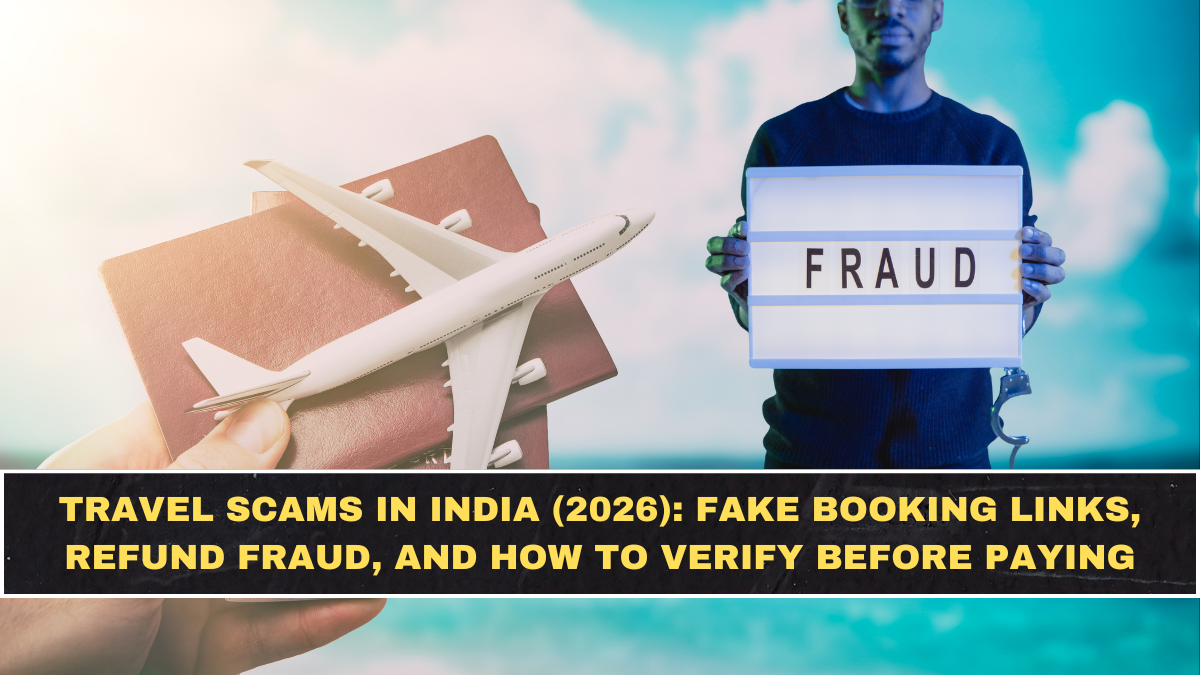
Planning a trip has become easier than ever with online booking platforms, travel apps, and instant payment options. However, the convenience of digital travel services has also created opportunities for fraudsters, making travel scam India cases increasingly common in recent years. From fake hotel booking websites to refund fraud and tour package traps, travelers are losing money due to deceptive offers that appear genuine.
Many scams target people searching for discounted tickets, holiday packages, or last-minute travel deals. Fraudsters exploit urgency and attractive pricing to pressure users into quick payments without proper verification. Understanding how these scams operate and knowing how to verify travel services before paying is essential for protecting money and personal information while planning trips.
Why Travel Scams Are Increasing
The rapid growth of online travel bookings has changed how people plan holidays, business trips, and transportation. More users now rely on digital platforms for reservations, which has created a large environment where scammers can imitate legitimate services. Fake websites, social media advertisements, and messaging-based offers are frequently used to target unsuspecting users.
Another factor driving fraud is the demand for discounted travel deals. Travelers often search for cheaper flights, hotels, or package tours, especially during peak seasons. Fraudsters use extremely low prices to attract attention and create urgency, encouraging users to complete payments quickly. This pattern has contributed significantly to the rise of travel scam India incidents across different regions.
The increase in digital payments also makes it easier for attackers to receive money instantly and disappear without providing any service.
Fake Booking Websites and Links
One of the most common travel fraud methods involves fake booking websites that closely resemble genuine travel portals. These sites display realistic images, customer reviews, and professional design elements to appear authentic. Victims believe they are booking flights or hotel rooms, but the reservation does not exist.
Fraudsters often share these links through social media advertisements, messaging platforms, or search results. After payment is completed, the traveler receives either fake confirmation details or no response at all. In many cases, victims only discover the fraud when they arrive at the hotel or airport.
Verifying the authenticity of travel platforms and checking official company details helps reduce the risk of such scams.
Tour Package and Holiday Deal Fraud
Holiday package scams typically promise luxury travel experiences at unusually low prices. Fraudsters advertise complete packages including flights, accommodation, and sightseeing at rates far below market value. These offers may appear during festive seasons or popular vacation periods.
After collecting payment, scammers may cancel the booking, demand additional charges, or disappear completely. Some victims receive partial services that do not match the advertised package. These misleading deals are a major contributor to travel scam India cases, especially among first-time travelers.
Carefully comparing prices and verifying travel agencies before booking helps prevent financial loss.
Refund and Cancellation Fraud
Refund fraud is another growing concern in the travel industry. Scammers contact travelers claiming they are eligible for ticket refunds or compensation for cancelled services. They request banking details or processing fees to initiate the refund process.
Once the information is shared, attackers misuse financial details or withdraw money from accounts. Legitimate travel providers usually process refunds through official channels without requesting confidential information directly. Travelers should avoid responding to unsolicited refund messages or calls.
Understanding refund procedures helps prevent unauthorized financial transactions.
Fake Customer Support and Helpline Scams
Many fraudsters impersonate airline or hotel customer support representatives. They create fake helpline numbers that appear in search results or advertisements. When users contact these numbers, scammers request booking details, payment information, or verification codes.
These fake support services may claim to resolve booking issues or provide upgrades. In reality, they collect sensitive information for financial fraud. Always contacting official customer support channels reduces the risk of falling victim to such schemes.
Verifying contact details directly from official platforms is an important safety practice.
Common Warning Signs of Travel Fraud
Recognizing suspicious behavior early can help prevent financial loss. Travel scams usually follow predictable patterns designed to create urgency or excitement.
Typical warning signs include:
• Extremely low prices compared to market rates
• Requests for advance payment without proper confirmation
• Unverified websites or unknown travel agencies
• Pressure to make immediate payment
• Requests for personal or banking details
• Lack of official contact information or customer support
Identifying these red flags helps travelers avoid fraudulent offers and make safer booking decisions.
How to Verify Travel Services Before Payment
Taking simple verification steps significantly reduces the risk of travel fraud. Travelers should confirm booking details, check company credentials, and review customer feedback before making payments.
Important verification practices include:
• Booking through well-known travel platforms or verified agencies
• Checking official company registration details
• Reviewing cancellation and refund policies carefully
• Confirming hotel or airline reservations directly
• Avoiding payment through unknown links or accounts
• Keeping payment records and confirmation details
Following these precautions helps ensure safe and reliable travel planning.
What to Do If You Become a Victim
If a traveler suspects fraud after making a payment, immediate action is necessary. Contacting the bank or payment provider quickly may help block transactions or recover funds. Reporting the incident to authorities and sharing details with the travel service involved can also support investigation efforts.
Changing passwords and securing personal accounts helps prevent further misuse of information. Prompt reporting increases the chances of resolving the issue and preventing additional loss.
Awareness and quick response are essential when dealing with digital fraud.
Conclusion
The growing number of travel scam India cases reflects how digital convenience can also create security risks. From fake booking links and fraudulent travel packages to refund scams and fake customer support, fraudsters continue to develop new methods to exploit travelers.
Safe travel planning requires careful verification, cautious payment practices, and awareness of common fraud techniques. By recognizing warning signs and verifying services before making payments, travelers can protect their finances and enjoy their journeys without unnecessary risk.
FAQs
What is a travel scam in India?
It refers to fraudulent activities where scammers deceive travelers through fake bookings, false travel offers, or unauthorized payment requests.
How can I identify a fake travel website?
Check official company details, verify contact information, and compare prices with trusted platforms.
Are extremely cheap travel deals always genuine?
Not always. Prices significantly lower than market rates may indicate a potential scam.
What should I do if I lose money to a travel scam?
Contact your bank immediately, report the incident, and secure your accounts to prevent further loss.
How can I safely book travel services online?
Use verified platforms, confirm bookings directly, and avoid making payments through unknown links or accounts.