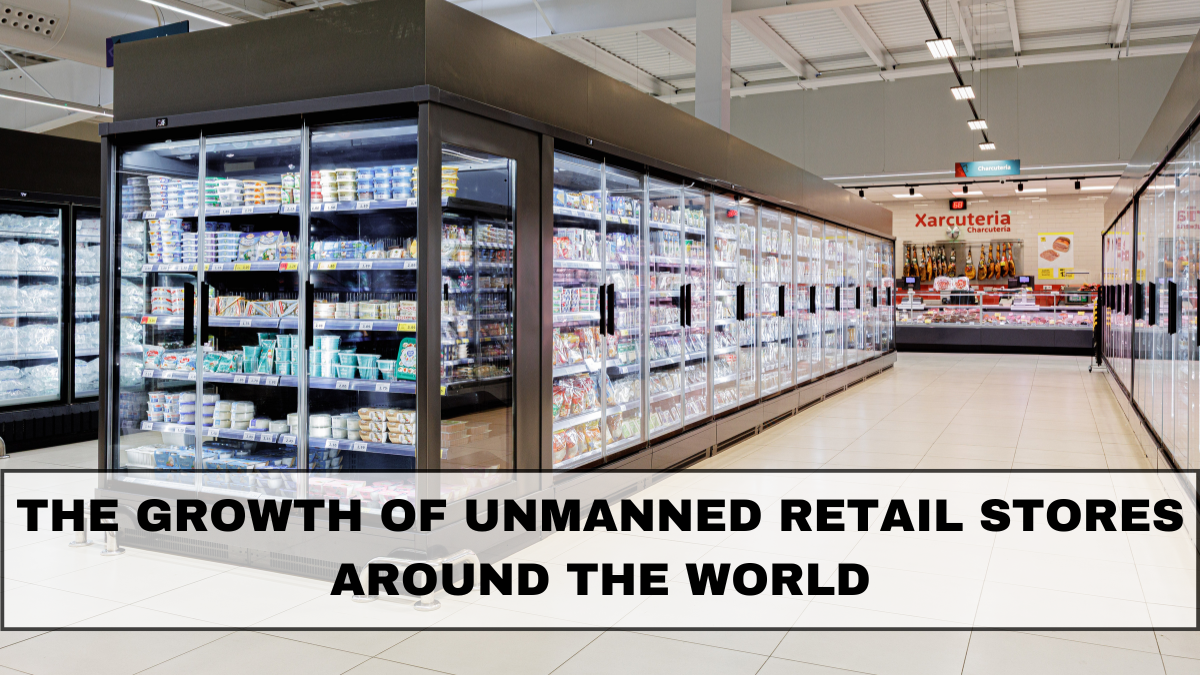
The retail industry is undergoing a rapid transformation, and unmanned retail stores are at the forefront of this change. Leveraging automation, artificial intelligence (AI), and smart checkout technologies, these stores provide a seamless shopping experience without human staff. From major cities to suburban areas, unmanned stores are gaining popularity as both retailers and consumers recognize the benefits of efficiency, convenience, and reduced operational costs. In 2025, the trend of automated retail is expanding across the globe, redefining how people shop and interact with products.
What Are Unmanned Retail Stores?
Unmanned retail stores, also known as automated or cashier-less stores, allow customers to enter, browse, select items, and make purchases without interacting with human cashiers. These stores typically employ a combination of technologies, including:
-
AI-powered sensors and cameras
-
RFID tags for inventory tracking
-
Smart payment systems
-
Mobile apps for seamless entry and checkout
-
Automated restocking systems
By integrating these technologies, unmanned retail stores create an efficient and modern shopping experience that appeals to today’s tech-savvy consumers.
Why Unmanned Stores Are Expanding Globally
Several factors are driving the rapid growth of unmanned retail stores worldwide. One major reason is convenience. Customers can shop quickly without waiting in long checkout lines, which has become a key expectation in urban lifestyles. Another factor is cost efficiency for retailers. By reducing the need for staff, stores can save on wages, allocate resources more strategically, and operate 24/7 with minimal overhead.
Other factors contributing to expansion include:
-
Rising consumer adoption of contactless payment systems
-
Increased demand for frictionless shopping experiences
-
Integration of AI for personalized product recommendations
-
Enhanced security and theft prevention through advanced monitoring systems
This combination of consumer convenience and operational efficiency makes unmanned retail stores an attractive model for both large chains and small retailers.
Technologies Driving Automated Shopping
The success of unmanned retail stores hinges on advanced technology. Several key innovations are shaping the automated shopping experience:
-
Computer vision and AI: Cameras and sensors detect product selection and track customer movements.
-
RFID and smart shelves: Items are automatically recognized, and stock levels are updated in real time.
-
Mobile and digital payments: Customers pay via apps or digital wallets, eliminating the need for physical cash.
-
Machine learning analytics: Stores use AI to analyze customer behavior and optimize inventory.
-
Robotics for restocking: Automated systems replenish shelves without manual intervention.
These technologies not only improve efficiency but also create a more personalized and frictionless shopping journey.
Advantages for Consumers
Unmanned retail stores offer multiple advantages for shoppers:
-
Time-saving: No long checkout lines or delays.
-
24/7 accessibility: Many stores remain open round the clock.
-
Enhanced convenience: Mobile apps and smart carts simplify the shopping process.
-
Contactless shopping: Reduces human contact, which became particularly appealing during the COVID-19 pandemic.
-
Personalized experience: AI can recommend products based on previous shopping habits.
These benefits contribute to a growing consumer preference for automated retail formats, particularly in urban and high-traffic areas.
Benefits for Retailers
For retailers, unmanned stores provide opportunities to reduce costs, improve efficiency, and expand into new markets. Key advantages include:
-
Lower labor costs and operational overhead
-
Real-time inventory management and analytics
-
Reduced human error in transactions and stock control
-
Ability to open small-format stores in high-rent urban areas
-
Scalability for global expansion without proportional increase in staff
By leveraging technology, retailers can enhance profitability while meeting modern consumer expectations.
Challenges and Considerations
Despite their growth, unmanned retail stores face challenges. High initial setup costs, complex technology integration, and potential security risks can pose barriers. Retailers must also address consumer trust and ensure smooth customer support for technical issues. Additionally, some customers may prefer human interaction, especially for high-value purchases or guidance.
Common challenges include:
-
Investment in AI, sensors, and infrastructure
-
Maintenance and troubleshooting of automated systems
-
Preventing theft or system errors
-
Educating consumers on how to use the technology efficiently
By carefully addressing these challenges, retailers can maximize the benefits of unmanned store models.
Global Examples and Trends
Several global companies are pioneering unmanned retail. In the United States, Amazon Go stores allow customers to walk in, pick up items, and leave without manual checkout. In Asia, chains in China and Japan have adopted fully automated convenience stores, combining robotics and AI to provide fast and seamless shopping experiences. Europe is also seeing growth, with smaller-scale automated stores gaining popularity in urban centers.
Emerging trends in unmanned retail include:
-
Hybrid stores combining human support and automation
-
AI-powered loyalty programs and product recommendations
-
Integration with smart homes and connected devices
-
Expansion into rural or less densely populated regions
These trends indicate that unmanned retail will continue evolving and expanding globally in the coming years.
The Future of Unmanned Retail Stores
As technology improves and consumer adoption increases, unmanned retail stores are expected to become a standard in global retail. Future developments may include AI-driven predictive stocking, advanced robotics for restocking and cleaning, and fully immersive shopping experiences using augmented reality (AR) and virtual reality (VR). By 2025, automated retail is likely to be an integral part of urban life and a major force shaping the future of shopping.
FAQs
What is an unmanned retail store?
An unmanned retail store is a fully automated shopping space where customers can select products and make purchases without interacting with staff, using AI, sensors, and digital payment systems.
How do unmanned stores track purchases?
They use AI, computer vision, RFID tags, and smart shelves to monitor which products customers pick up and automatically process payment.
Are unmanned retail stores safe?
Yes. Advanced monitoring, AI detection, and secure digital payment systems ensure safety and prevent theft.
What are the benefits for consumers?
Consumers enjoy convenience, faster shopping, 24/7 access, contactless payments, and personalized recommendations.
Are unmanned stores expensive to set up?
Initial setup can be costly due to AI, robotics, and infrastructure, but long-term operational savings and efficiency often offset these costs.
Click here to know more.