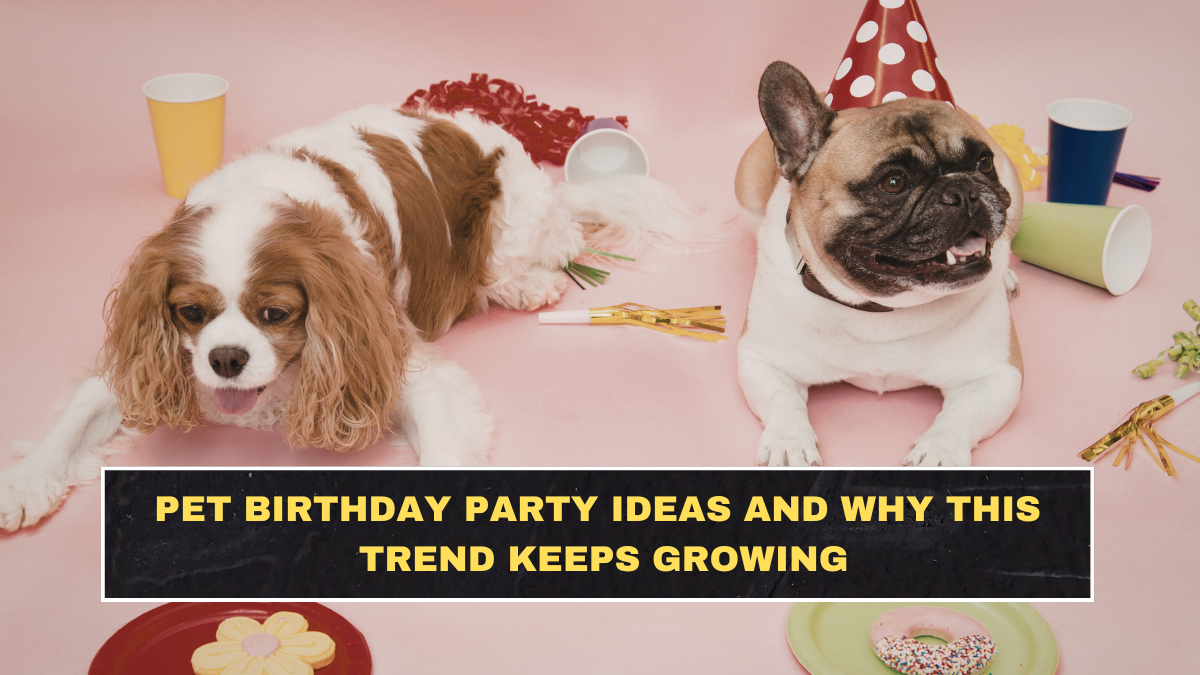
Pet birthday parties are growing because pet ownership is no longer treated like simple animal care. It is lifestyle spending, emotional spending, and identity spending all mixed together. In the U.S., 66% of households own a pet, and 97% of pet owners consider their pets part of the family, which helps explain why celebrations no longer feel ridiculous to many owners. APPA also said the U.S. pet industry reached $158 billion in 2025 and is expected to keep growing in 2026, which tells you this is not a tiny niche of overenthusiastic owners.
The celebration side is real, not just anecdotal. A 2025 survey covered by Petfood Industry found that 64% of pet owners celebrate their pets’ birthdays with gifts, cards, or parties. APPA-linked reporting also showed that the percentage of owners hosting holiday or birthday parties for their cats reached 21% in 2024, up 250% from 2018. That is a sharp signal that pet celebration culture is moving from quirky behavior into normal consumer behavior, especially among younger owners.
Why are pet birthday parties becoming so common?
Because the way people relate to pets has changed. Pets are increasingly treated as family members, emotional anchors, and daily companions rather than background animals in the house. AP News reported in late 2025 that pet owners are increasingly buying food that resembles their own diets as part of the broader trend of treating pets as family. Once people start humanizing food, routines, and lifestyle spending for pets, birthday parties are the obvious next step.
There is also a generational and social-media angle. Birthday parties are easy to share, easy to personalize, and easy to justify as “one special day.” That makes them much easier to normalize than constant luxury spending. The blunt truth is that many pet parents are not just celebrating the animal. They are also creating a social moment for themselves, which is why decorations, photos, themed treats, and guest pets matter so much in this trend.
What makes a good pet birthday party instead of an annoying one?
A good pet party is built around the animal’s tolerance, not the owner’s fantasy. If the pet gets anxious around noise, strangers, costumes, or groups of dogs, a giant party is not a celebration. It is just selfish nonsense. The best party ideas are the ones that fit the pet’s temperament, age, and energy level. For some pets, that means a backyard meet-up with two familiar dogs and simple treats. For others, it means a quiet photo setup, a new toy, and a short walk somewhere special.
The smartest hosts keep the event short, safe, and structured. Dogs usually respond better to open space, predictable play, water access, and limited stimulation than to crowded indoor gatherings. Cats often do better with home-based enrichment than guest-heavy parties. Small animals and birds usually should not be dragged into human-style celebration setups at all. The party should feel like enrichment, not performance. That is the line many owners ignore.
Which pet birthday party ideas work best?
The best ideas are usually simple, controlled, and low-cost. Here is the practical breakdown:
| Party idea | Why it works | Best for | Main risk |
|---|---|---|---|
| Backyard dog playdate | Familiar setting, easy supervision | Social dogs | Overexcitement if too many dogs come |
| Treat tasting party | Low effort and pet-focused | Dogs and some cats | Overfeeding or unsafe ingredients |
| Photo corner with cake smash | Good for memories and social sharing | Calm pets | Stress if forced too long |
| Park picnic with a few friends | Feels special without huge setup | Friendly adult dogs | Public distractions and poor recall |
| Gift-and-enrichment day at home | Best for anxious or older pets | Cats, seniors, shy dogs | Owner may think it is “not enough” |
That table tells the truth most trend articles skip: a smaller party is often the better party. Owners keep overestimating how much stimulation pets actually enjoy.
How much should a pet birthday party budget be?
Most people do not need to spend much. The trend is growing because celebration matters more than luxury. A realistic small budget usually covers pet-safe treats, one toy, simple decor, and maybe a party hat or photo setup. A mid-range party may add a pet cake, printed signage, a park reservation, or party bags for guest pets. Expensive versions often become more about the humans than the animal.
A simple way to think about it is this:
| Budget level | What it usually includes | Best use case |
|---|---|---|
| Low budget | Homemade or store-bought treats, one toy, basic photos | Most pets |
| Mid budget | Custom cake, decor, a few pet guests, good photos | Social dogs or milestone birthdays |
| High budget | Venue, themed setup, paid photographer, custom favors | Content-heavy or event-style owners |
Given the larger pet economy, the spending is understandable, but that does not mean it is always smart. APPA’s industry numbers show people have room to spend, not that they should spend blindly.
What should pet owners avoid at these parties?
Avoid unsafe foods, overcrowding, costumes the pet clearly hates, and any activity that turns stress into content. Also avoid assuming all dogs like other dogs. That mistake ruins plenty of “cute” parties fast. If treats are involved, ingredients matter, portion control matters, and owner communication matters. A birthday party is not an excuse to ignore basic pet safety because the decorations looked nice on Instagram.
Owners should also be honest about motivation. If the party is mainly for photos, that is fine, but at least admit it. Problems start when owners pretend a stressed pet is “having fun” because they want the event to justify itself. The pet’s behavior is the only opinion that matters.
What does this trend say about modern pet culture?
It says pets are now embedded in consumer identity much more deeply than before. Birthday parties, themed merchandise, premium food, and celebration rituals all point to the same thing: people are spending on pets the way they spend on family experiences. APPA reporting on cats and broader pet-industry growth supports that shift clearly, and the birthday-party rise is just one visible symptom of it.
That does not make every pet party wise. Some of it is genuine affection. Some of it is emotional spending dressed up as care. Both can be true at once.
Conclusion
Pet birthday parties keep growing because pets now sit at the center of how many people live, spend, and express affection. The best party ideas are simple, safe, and matched to the pet’s temperament. The worst ones are performative, overstimulating, and more about the owner than the animal. That is the real rule. Celebrate the pet, not your own need for a themed event.
FAQs
Are pet birthday parties really a growing trend?
Yes. A 2025 survey found 64% of pet owners celebrate their pets’ birthdays, and APPA-linked reporting shows cat birthday and holiday parties rose sharply from 2018 to 2024.
What is the best pet birthday party idea for dogs?
Usually a small playdate, picnic, or treat-focused gathering works best because it gives the dog activity and enjoyment without too much chaos. The right choice depends on the dog’s temperament.
How much should a pet birthday party cost?
It does not need to cost much. A low-budget party with treats, one toy, and a short photo setup is enough for most pets. Bigger spending is optional, not necessary.
Are pet birthday parties more about owners than pets?
Often, yes. That is not automatically bad, but owners should be honest about it and make sure the event still feels safe and comfortable for the pet.