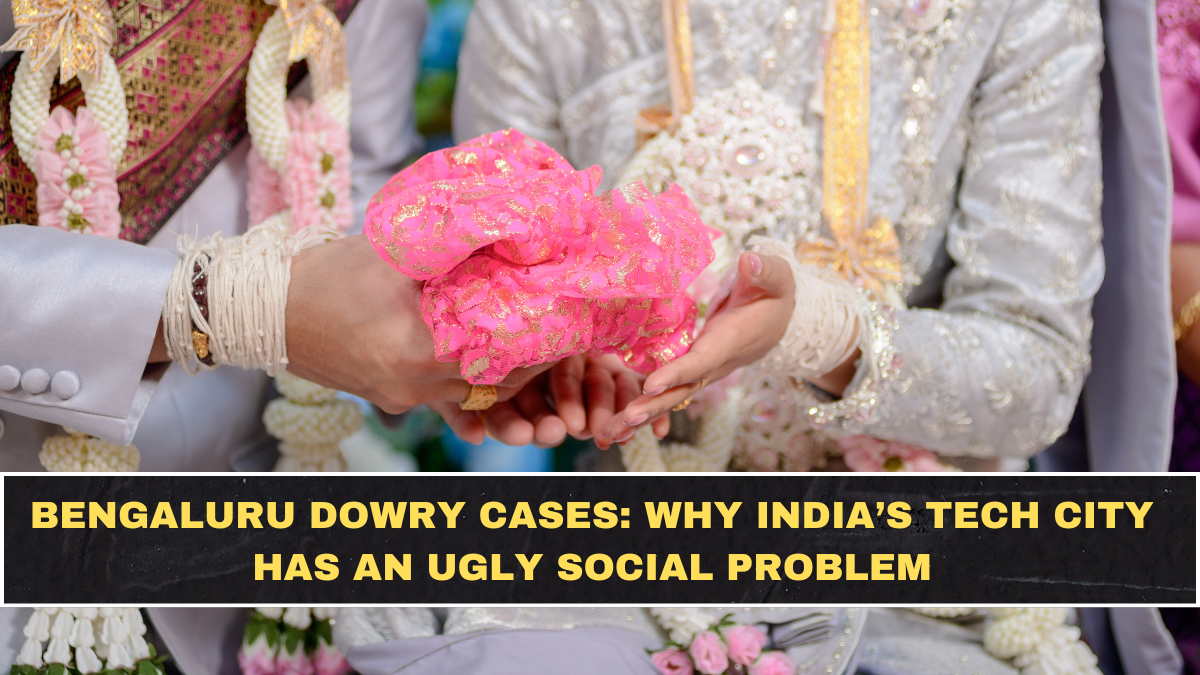
Bengaluru is sold as India’s tech capital, startup hub, and symbol of modern urban ambition. But the latest NCRB-linked data has exposed an uncomfortable contradiction: the city reportedly recorded the highest number of dowry-related cases among Indian metropolitan cities in 2024. According to reports citing NCRB’s Crime in India 2024 data, Bengaluru registered 878 cases under the Dowry Prohibition Act, 1961.
That number is not just embarrassing; it is socially ugly. A city can have glass offices, global salaries, and expensive apartments, but if marriage negotiations still carry dowry pressure, then modernity is only surface-level. Bengaluru’s case shows that education and urban income do not automatically remove deeply rooted social practices.
How Bad Are The Numbers?
| NCRB-Linked Data Point | Reported Figure |
|---|---|
| Bengaluru dowry-related cases in 2024 | 878 |
| Total dowry-related cases across major metro cities | 1,008 |
| Bengaluru’s share among metro cases | Around 87% |
| Law category | Dowry Prohibition Act, 1961 |
| Key concern | Women’s safety and marital harassment |
Reports say Bengaluru alone accounted for roughly 87% of dowry-related cases registered across major Indian metropolitan cities. That does not mean every other city is clean, and it also does not automatically prove Bengaluru has the worst hidden reality. Crime data reflects reported cases, policing patterns, complaint behaviour, legal awareness, and actual incidents together.
Still, the figure is too large to casually dismiss. Even if better reporting partly explains the number, the city still has a serious problem. The honest reading is this: Bengaluru may be recording more complaints, but that does not make the social disease any less real.
Why Is This Shocking For A Tech City?
The shock comes from the contrast. Bengaluru is associated with IT jobs, global companies, startup founders, high salaries, and educated professionals. People assume dowry pressure belongs only to rural or conservative spaces, but that assumption is lazy and false. Dowry can survive perfectly well inside urban apartments and English-speaking families.
This is where society lies to itself. A groom may work in tech, use AI tools, drive an SUV, and still allow his family to negotiate gifts, cash, jewellery, property, or wedding expenses. That is not tradition; that is social extortion dressed up as family custom.
What Could Be Driving The Problem?
Dowry pressure in cities often becomes more polished, not less harmful. Instead of directly saying “give dowry,” families may call it gifts, expectations, status matching, wedding contribution, or lifestyle compatibility. The language changes, but the pressure remains.
Possible reasons behind urban dowry cases include:
- High-income marriages turning into status transactions.
- Families treating education and salary as “market value.”
- Social pressure to display wealth during weddings.
- Women facing harassment after marriage over money or gifts.
- Better awareness leading more women to report cases.
- Legal complaints being filed after domestic conflict escalates.
The painful truth is that many families oppose dowry publicly but practise softer versions privately. They may not ask for cash openly, but they create pressure around wedding spending, gold, cars, furniture, or “what will people say?” That hypocrisy keeps the system alive.
Does High Reporting Mean Bengaluru Is Worse?
Not necessarily, and this distinction matters. A high number of registered cases can mean higher occurrence, better reporting, more legal awareness, stronger police registration, or a mix of all these factors. NCRB data is based on police-recorded cases, so it cannot capture every unreported case or explain every social reason behind the number.
But using that nuance to avoid responsibility would be dishonest. Whether Bengaluru is “worse” or simply “reporting more,” 878 cases under the Dowry Prohibition Act is still a serious warning. A city that wants to call itself progressive cannot brush this away as just a data issue.
What Should Change Now?
The response cannot stop at outrage. Dowry survives because families protect it, communities normalise it, and victims are often pressured to “adjust.” Legal action matters, but social rejection matters too. If families keep rewarding dowry-seeking marriages, the law alone will not clean this up.
What needs to happen:
- Families must reject dowry demands before marriage, not after damage begins.
- Women need safer complaint channels and faster legal support.
- Police must treat dowry harassment seriously and consistently.
- Workplaces and communities should support victims without stigma.
- Marriage discussions must stop hiding financial pressure as “custom.”
- Public shame should fall on demand-makers, not complainants.
The uncomfortable part is that many people know dowry exists in their own circles but stay silent because it benefits their side. That silence is not neutrality. It is participation.
Conclusion: Is Bengaluru Really Progressive?
Bengaluru’s dowry-case data is a harsh reminder that economic progress does not automatically create social progress. A city can lead India in technology and still carry rotten old practices inside marriage systems. The NCRB-linked numbers have forced a necessary question: what is the point of modern salaries if old exploitation continues at home?
The real test is not whether Bengaluru feels offended by the data. The real test is whether families, police, courts, workplaces, and communities act differently after seeing it. If dowry pressure continues under softer names, then the city’s progressive image will remain exactly that — an image.
FAQs?
How many dowry cases did Bengaluru record in 2024?
Reports citing NCRB’s Crime in India 2024 data say Bengaluru recorded 878 cases under the Dowry Prohibition Act, 1961. This was reported as the highest among Indian metropolitan cities. The figure has triggered concern because it represents a major share of metro dowry-related cases.
Did Bengaluru account for 87% of metro dowry cases?
Yes, multiple reports said Bengaluru accounted for around 87% of dowry-related cases registered across major Indian metro cities in 2024. The total reported metro figure was 1,008 cases, out of which Bengaluru recorded 878. This makes the city’s share unusually high.
Does this mean Bengaluru is the most unsafe city for women?
Not automatically. Crime data shows registered cases, not every unreported incident or the full social reality. However, such a high number under the Dowry Prohibition Act is still a serious warning sign and should not be dismissed as only a reporting issue.
Why is dowry still common in modern cities?
Dowry survives in modern cities because it often appears in softer forms like gifts, wedding expenses, status expectations, or family pressure. Education and income do not automatically remove greed or patriarchy. Unless families reject such demands openly, the practice continues under different names.