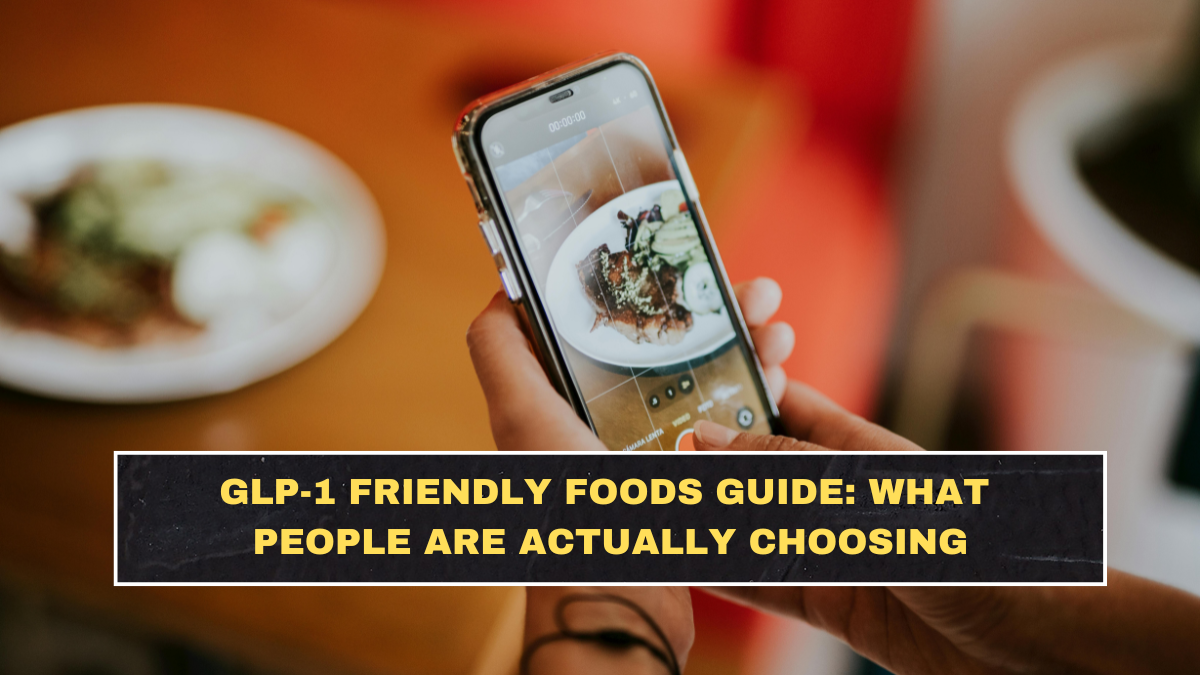
GLP-1 medications are changing eating habits, but a lot of people are still approaching food the wrong way. They assume “eating less” is the whole strategy. It is not. If appetite drops and meal size shrinks, food quality matters more, not less. That is because common GLP-1 side effects include nausea, vomiting, diarrhea, abdominal pain, and constipation, according to FDA labeling for semaglutide products, and those side effects can make random, greasy, or low-protein eating patterns even harder to tolerate.
The better approach is brutally simple: smaller meals, more protein, enough fluids, and foods that are easier on the stomach when side effects flare. UCLA Health notes that eating plenty of protein and staying well-hydrated can help during GLP-1 treatment, while Cleveland Clinic says high-fat and high-sugar foods can worsen side effects like diarrhea, constipation, and heartburn. That means the best GLP-1 friendly foods are usually not “diet foods.” They are foods that help you keep nutrition stable when appetite, fullness, and digestion are behaving differently than before.
What makes a food GLP-1 friendly?
A GLP-1 friendly food usually does at least one of three things well: it gives you protein without a huge portion, it is easier to digest when your stomach feels unsettled, or it helps you maintain hydration and regular eating without pushing you into nausea. FDA labeling also warns that GLP-1 receptor agonists are associated with gastrointestinal adverse reactions and are not recommended in severe gastroparesis, which is exactly why heavy, greasy, or oversized meals can backfire badly for some people.
That is the part a lot of people keep missing. If you are full faster, then every bite has a bigger job. A few bites of fried food and sweet coffee might technically count as calories, but they often do a terrible job of supporting protein intake, hydration, and symptom control. This is why the smarter GLP-1 food conversation is less about “allowed foods” and more about tolerable, nutrient-dense choices.
Which foods tend to work best for many people on GLP-1 medications?
| Food category | Why it often works better | Practical examples |
|---|---|---|
| Lean protein | Helps preserve muscle and supports fullness | Greek yogurt, eggs, chicken, fish, tofu |
| Soft, simple carbs | Easier to tolerate when nauseated | Oatmeal, rice, toast, crackers, potatoes |
| Hydrating foods | Support fluid intake when appetite is low | Soup, yogurt, fruit, smoothies |
| Fiber foods used carefully | Can help with constipation if tolerated | Berries, oats, beans, cooked vegetables |
| Smaller convenience meals | Easier than forcing large meals | Cottage cheese bowl, protein shake, egg wrap |
This is the realistic core. UCLA Health specifically recommends protein and hydration support during GLP-1 treatment, while Cleveland Clinic advises avoiding foods high in fat and sugar because they can worsen GI symptoms. So the winning foods are usually simple, repeatable, and easy to finish in small portions.
What are people actually choosing in real life?
Most people do better with a small rotation of reliable foods instead of chasing perfect meal plans. Common practical choices include Greek yogurt, cottage cheese, eggs, rotisserie chicken, soup, oatmeal, protein shakes, fruit, toast, rice bowls, and simple sandwiches. That pattern makes sense because it solves the two biggest problems at once: low appetite and side-effect management.
Protein matters more than people think here. UCLA Health says eating lots of protein can help prevent muscle loss during GLP-1 treatment. That is a big deal because rapid weight loss without enough protein can cost lean mass, not just body fat. So a small meal with 20 to 30 grams of protein usually beats a larger low-protein snack that leaves you undernourished and hungry again later.
Which foods often make side effects worse?
High-fat, fried, greasy, and very sugary foods are common problem foods. Cleveland Clinic says foods high in fat and sugar can trigger or worsen diarrhea, constipation, and heartburn in people using GLP-1 medications. Large meals can also feel awful because fullness comes faster and gastric emptying is slower with these drugs.
Spicy foods and very rich restaurant meals can also be rough for some people, especially during dose increases. That does not mean nobody on GLP-1 can ever eat them. It means pretending your digestion has not changed is dumb. When symptoms are already active, aggressive food choices usually make the next few hours worse, not better.
How should meals be structured through the day?
Smaller and steadier usually works better than huge gaps followed by one oversized meal. A practical pattern is three small meals plus one or two easy snacks if needed. That might mean yogurt in the morning, a light protein lunch, a small dinner, and a shake or fruit if intake is low. The point is not rigid scheduling. The point is avoiding the cycle where you eat almost nothing, then overdo it later and feel sick.
Hydration also matters more than most people realize. FDA warnings note that severe gastrointestinal side effects can contribute to dehydration, and UCLA Health also recommends staying well-hydrated during GLP-1 treatment. If plain water is hard to tolerate, soups, yogurt, fruit, and electrolyte drinks can help fill the gap.
What should someone eat when nausea is the main problem?
This is where simpler is better. Bland foods such as toast, crackers, rice, applesauce, bananas, oatmeal, broth-based soups, and plain potatoes are often easier to tolerate than high-fat meals. The goal is to calm the stomach, not prove you can eat normally. Once symptoms settle, protein can be layered back in through eggs, yogurt, cottage cheese, or shakes.
If nausea, vomiting, or poor intake are persistent, that stops being a food-choice issue alone. FDA labeling and UCLA Health both make clear that medication side effects can be significant, and dose adjustment may need to be discussed with a clinician. That is the line people should not ignore.
What is the smartest GLP-1 food strategy overall?
Build around tolerable protein, hydration, and small portions first. Then add fiber and variety as tolerated. Keep a few fallback foods at home for bad stomach days. Stop pretending willpower alone solves nausea or constipation. And stop rewarding yourself with heavy cheat meals that your body clearly does not want right now.
Conclusion
GLP-1 friendly eating is not about trendy “weight loss foods.” It is about making smaller meals work harder. The best choices are usually protein-forward, simple, hydrating, and easier on the stomach when side effects hit. For many people, that means repeating boring foods more often than they expected. Good. Boring is fine if it helps you stay nourished, hydrated, and consistent. If your appetite is down and your digestion is touchy, the goal is not exciting food. The goal is food that your body can actually handle.
FAQs
What foods are easiest to tolerate on GLP-1 medications?
Many people tolerate simple foods such as Greek yogurt, eggs, oatmeal, toast, rice, soup, fruit, and protein shakes better than greasy or sugary meals. Cleveland Clinic says high-fat and high-sugar foods can worsen GI side effects.
Why is protein emphasized so much with GLP-1 drugs?
Because appetite often drops, so smaller meals need to deliver more nutrition. UCLA Health notes that eating plenty of protein can help prevent muscle loss during GLP-1 treatment.
Can GLP-1 medications cause dehydration?
Yes. FDA labeling for GLP-1 medicines warns that nausea, vomiting, and diarrhea can contribute to dehydration and may require attention.
When should someone call their doctor instead of just changing foods?
If nausea, vomiting, constipation, abdominal pain, or poor intake are severe or persistent, it should be discussed with a healthcare professional rather than handled only through food changes. FDA labeling documents serious GI side effects with these medicines.
Click here to know more