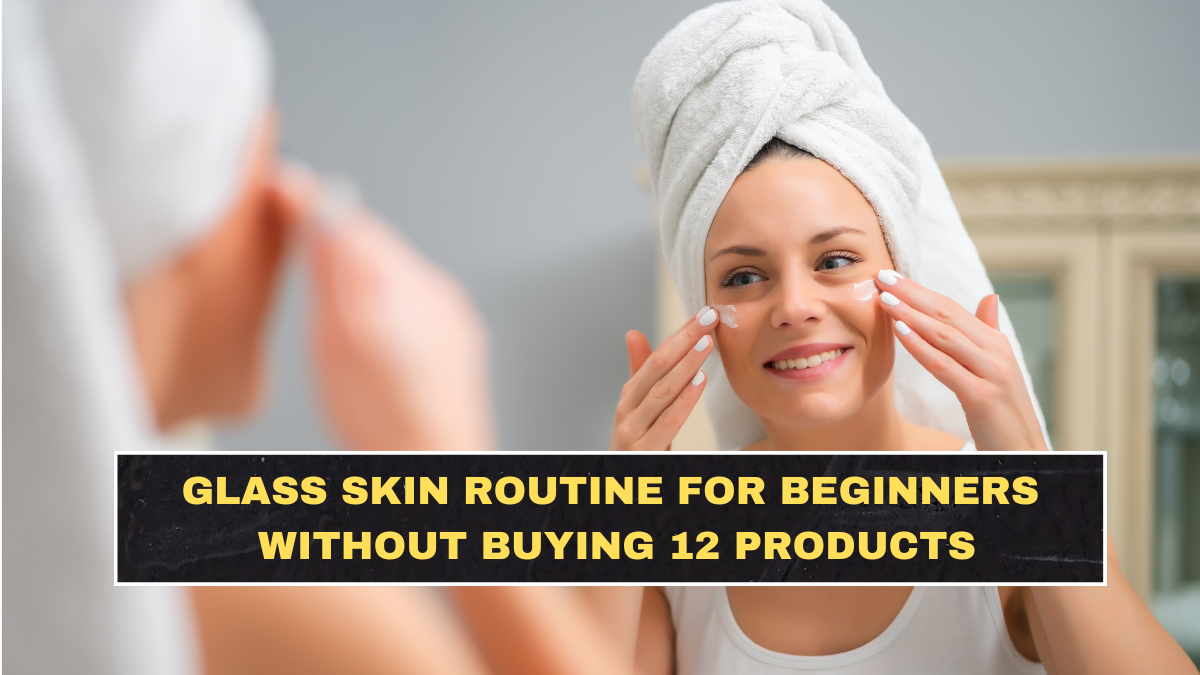
Glass skin gets marketed like you need a shelf full of products and a full-time job in skincare. You do not. The look people call “glass skin” is basically hydrated, smooth, healthy-looking skin with light-reflecting glow. The problem is that beginners get dragged into complicated routines too early, then irritate their skin and wonder why the glow never shows up. Dermatology guidance is much less dramatic: start with gentle cleansing, targeted treatment only when needed, moisturizer, and sunscreen. The American Academy of Dermatology also warns that using too many products can irritate the skin, which is exactly what a lot of beginners do when they chase glow too aggressively.
What does “glass skin” actually mean?
In real terms, glass skin is not one ingredient or one product. It is the result of skin that looks well-hydrated, even-textured, calm, and naturally luminous. That is why hydrating toners, essences, moisturizers, and sunscreen show up so often in glow-focused routines. Recent beauty testing and editor guides in 2026 still emphasize hydrating toners, barrier-friendly moisturizers, and hyaluronic-acid-based products when people want plumper, glowier skin. The important part is not copying every K-beauty step. It is understanding that glow usually comes from hydration and skin-barrier support, not from piling on actives every night.
Which steps do beginners actually need?
Beginners usually need just four core steps: gentle cleanser, hydrating layer if desired, moisturizer, and sunscreen in the daytime. AAD’s skincare-order guidance is blunt about the basics: wash your face, apply treatment if you use one, then apply moisturizer and/or sunscreen. AAD also says a gentle, non-abrasive cleanser used with lukewarm water and fingertips is the right starting point, not harsh scrubbing. That already kills a lot of bad beginner habits. You do not need 12 products. You need a routine you can repeat without irritating your face.
| Step | What it does | Beginner-friendly rule |
|---|---|---|
| Gentle cleanser | Removes dirt, oil, and sunscreen | Cleanse without scrubbing |
| Hydrating toner or essence | Adds water-light hydration | Optional, but useful for dry skin |
| Moisturizer | Helps seal in hydration and support the barrier | Use daily, especially after cleansing |
| Sunscreen | Protects glow from UV damage | Essential every morning |
Do you need toner or essence for glass skin?
Not always, but this is one optional step that can actually make sense. Byrdie’s 2026 toner testing notes that dermatologists often recommend toner after cleansing and before serums or moisturizer, and Allure’s 2026 glass-skin product guide specifically highlights hydrating toner or essence as a key part of creating a plumper, refreshed look. That said, people over-romanticize this step. A hydrating toner is useful if your skin feels dry, tight, or dull. It is not a miracle. If your budget is tight, moisturizer and sunscreen matter more than toner.
What ingredients help create a glass-skin look?
The safest beginner ingredients are usually humectants and barrier-supportive ingredients. Hyaluronic acid is commonly used for hydration, while calming and barrier-friendly ingredients such as allantoin and ceramides help support smoother-looking skin. Allure’s 2026 guide specifically points to hyaluronic acid and allantoin in glow-focused products, and Byrdie’s 2026 hyaluronic acid coverage notes that formula design and hydration support are major reasons these products remain popular. In plain language, beginners should chase hydration and comfort first. Starting with strong acids or retinol just because social media says “exfoliation equals glow” is where people start sabotaging themselves.
How many products are enough for a beginner?
Four to six is enough for most people. That usually means cleanser, moisturizer, sunscreen, and one or two extras based on need, such as a hydrating toner or a vitamin C serum in the morning. AAD warns that too many products can irritate the skin, and that is the part people keep ignoring. They think more steps means better skin. Usually it just means more chances to trigger dryness, stinging, breakouts, or confusion about what is actually helping. If your routine already feels like homework, it is too big for a beginner.
Should beginners use exfoliants and retinol right away?
Usually not both, and not aggressively. If you are brand new to skincare, the smarter move is to first build consistency with cleansing, moisturizing, and sunscreen. Byrdie’s 2026 retinol testing notes that retinol can be effective, but it is also a stronger treatment step. AAD’s acne-habit guidance also warns that harsh or excessive product use can make skin problems worse. So if you want glow, do not start by overwhelming your skin barrier. Calm, hydrated skin usually looks better faster than irritated “active-loaded” skin.
What does a simple morning and night routine look like?
Morning should be simple: gentle cleanse if needed, hydrating toner or essence if you like it, moisturizer, then sunscreen. Night can be cleanser, hydrating layer, and moisturizer. If your skin is very dry, AAD notes that richer moisturizers and even ointment-style products can hold water in the skin better than lighter creams. That matters because beginners often spend too much money on serums while underestimating how much plain moisturizing improves skin texture and glow. The unsexy truth is that healthy-looking skin usually comes from consistent basics.
What mistakes ruin the glass-skin routine fastest?
The biggest mistakes are over-cleansing, scrubbing, buying too many trendy products at once, and skipping sunscreen. AAD specifically says not to scrub the face and to use fingertips rather than rough tools when cleansing. Another mistake is expecting instant results. Glow improves when hydration, barrier support, and sun protection stay consistent over time. What beginners call “my skin hates skincare” is often just self-inflicted irritation from impatience.
What is the smartest beginner glass-skin plan?
Use a gentle cleanser, a hydrating step if your skin likes it, a moisturizer that actually suits your skin type, and sunscreen every morning. Add one treatment only after those basics feel stable. That is enough to start. The entire glass-skin obsession gets stupid when people forget that healthy skin usually looks glossy because it is calm, hydrated, and protected, not because it is buried under ten random products.
FAQs
Do you need Korean skincare products for glass skin?
No. Korean beauty strongly influences the glass-skin idea, but the core principles are still gentle cleansing, hydration, moisturizer, and sunscreen. The result matters more than the label.
Is toner necessary for beginners?
Not strictly, but a hydrating toner can help if your skin feels dry or dull. It is optional, not mandatory.
Can beginners use retinol for glass skin?
They can, but it is usually smarter to build a stable basic routine first. Starting too many strong actives early often backfires.
What is the most important product for a glass-skin routine?
Sunscreen is the most non-negotiable daytime step, and moisturizer is the most important support step for keeping skin comfortable and hydrated. Without those, the rest is mostly noise.